Umbria, often called Italy’s green heart, is a region of peaceful landscapes, spiritual heritage, and captivating medieval towns. Tucked between Tuscany, Lazio, and Marche, Umbria offers a serene alternative to Italy’s more touristed regions. Whether you’re a first-time visitor or a seasoned explorer, discovering Umbria will deepen your appreciation for central Italy’s authentic charm. From geography to gastronomy, here’s everything you need to know for a memorable Umbrian journey.
🌍 Geography and Climate
Umbria is the only Italian region with no coastline or international border, nestled entirely in central Italy. The region is defined by:
- The Apennine Mountains in the east
- The lush Valnerina and Tiber River valley
- Lake Trasimeno, Italy’s fourth-largest lake
- Forested hills, vineyards, and olive groves
Umbria has a continental-Mediterranean climate.
- Summers (June–August): Warm to hot, especially in the valleys
- Winters (December–February): Cool, sometimes snowy in hill towns
- Spring and fall are ideal times to visit — mild weather, blooming landscapes, and fewer tourists
🏛 Main Cities and Towns
Umbria’s towns are postcard-perfect, steeped in history and culture:
Perugia
The regional capital, Perugia is known for its hilltop charm, historic university, and vibrant cultural life. It hosts the famous Umbria Jazz Festival and Eurochocolate fair.
Assisi
Spiritual heart of Umbria and birthplace of St. Francis, Assisi is a UNESCO World Heritage Site. The Basilica di San Francesco is a must-see for its art and atmosphere.
Orvieto
Perched on volcanic tufa rock, Orvieto wows with its majestic Gothic Duomo, Etruscan underground city, and excellent white wines.
Spoleto
A stunning city of Roman and medieval landmarks, Spoleto is also known for the Festival dei Due Mondi, a major summer arts event.
Gubbio
One of Umbria’s oldest towns, Gubbio has dramatic stone architecture and traditions like the Corsa dei Ceri, a thrilling religious race in May.
Todi, Foligno, Norcia, Città di Castello, and Spello
Each town brings something unique — from Todi’s elegance to Norcia’s culinary fame (truffles, lentils, cured meats).
🎭 Culture and Traditions
Umbria offers a deep well of cultural and spiritual experiences. Rooted in Etruscan and medieval history, the region also has a rich Franciscan legacy.
Key events and traditions include:
- Umbria Jazz (Perugia, July): One of Europe’s top jazz festivals
- Festival dei Due Mondi (Spoleto, June–July): A multidisciplinary arts celebration
- Calendimaggio (Assisi, May): Medieval reenactments, music, and parades
- Infiorata di Spello (Corpus Christi): Streets carpeted in floral art
Religious heritage is also strong, with sites like:
- Basilica of St. Francis in Assisi
- Eremo delle Carceri (Assisi)
- Sanctuary of Santa Rita (Cascia)
- Monastery of San Benedetto (Norcia)
🌄 Nature, Lakes, and Countryside
Umbria’s landscapes offer serenity and adventure:
- Lake Trasimeno: Ideal for boating, cycling, and lakeside dining
- Sibillini Mountains: Great for hiking and wildflower-filled plateaus (especially Castelluccio di Norcia in late spring)
- Monte Subasio: Sacred peak near Assisi
- Waterfalls of Marmore: One of Europe’s tallest man-made waterfalls
🍷 Umbrian Wines and Gastronomy
Umbria’s cuisine is earthy, robust, and closely tied to its land. Key ingredients include truffles, legumes, cured meats, olive oil, and wild herbs.
Umbrian classics:
- Strangozzi al tartufo: Pasta with black truffles
- Porchetta: Herb-roasted pork
- Lenticchie di Castelluccio: Tiny, flavorful lentils from the plains of Norcia
- Torta al testo: Traditional flatbread, often stuffed with sausage or greens
Top wines include:
- Sagrantino di Montefalco DOCG: A powerful red, unique to Umbria
- Grechetto: Crisp and floral white
- Orvieto Classico: A historic white blend, often dry or semi-sweet
💡 Practical Tips for Visiting
Getting Around
- Regional trains connect major towns like Perugia, Assisi, Spoleto, and Orvieto
- A rental car is highly recommended for visiting smaller villages and countryside spots
Language
- Italian is the official language; English is spoken in tourist centers, less so in rural areas
Currency
- Euro (€); credit cards are widely accepted, but cash is still preferred in small towns and markets
Safety
- Umbria is very safe. Just use basic precautions in busy tourist areas


Hungry for more?
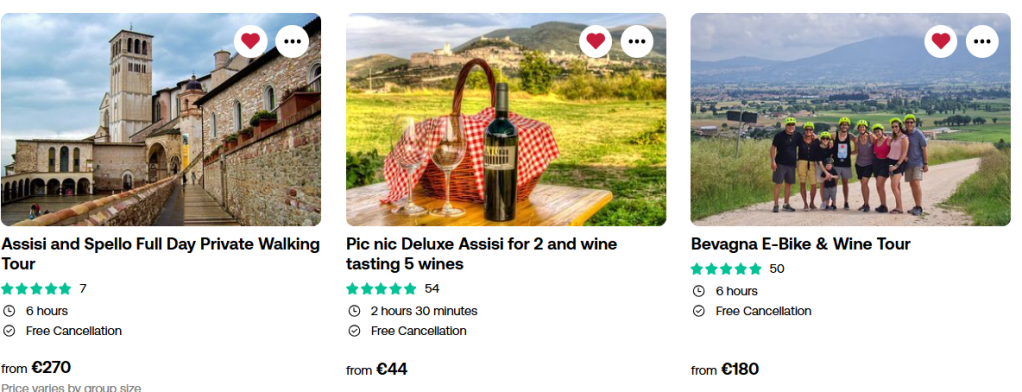
Enjoy our curated selection of special travel products with discounts, while you wait for your next flight!


TOP TRAVEL & FOOD ® team is made of tireless Expert Curators team to reveal “secret spots told by locals” just for you. They search for incredible destinations, dream accommodations, best flavors, memorable events and excellence services, to offer the target audience of readers and partners the greatest coverage and the best achievement of results, using the most modern technologies and expertise in the sector.



All our Review´s standards are covered with the go through careful selection for evaluation,
making a Exclusive selection list that caters to criteria used internationally. Articles and Exclusive Spot Reviews are conceptualized to transmit readers how was each experience with a brand, product or service. We cover the segments related to Tourism, Lifestyle, Gastronomy and Services, besides any others related to the city that we consider relevant for broadcast. We permanently stay connected to the ecosystem of Local Hubs. adding direct value to the Business Market.


 TOP TRAVEL & FOOD MAGAZINE