Tuscany, or Toscana in Italian, is a captivating region in central Italy, known for its rich history, stunning landscapes, and world-class art and cuisine. Whether you’re planning your first visit or your tenth, understanding the essentials of Tuscany will help you navigate this beautiful region with ease. From its geography to its culture, let’s explore the key things you need to know to make your Tuscany adventure unforgettable.
Geography and Climate
Tuscany is located in central Italy and is bordered by the regions of Liguria to the northwest, Emilia-Romagna to the north, Marche and Umbria to the east, and Lazio to the south. To the west, Tuscany is blessed with a beautiful coastline along the Tyrrhenian Sea, which includes famous beach towns like Viareggio and Castiglione della Pescaia.
The region is diverse in its geography. It’s home to rolling hills, the Apennine mountain range, and the iconic vineyards of Chianti. Tuscany’s capital, Florence, is nestled along the Arno River, and other notable cities like Pisa and Siena have their own unique landscapes and historical significance.
As for climate, Tuscany enjoys a Mediterranean climate, with hot, dry summers and mild, wet winters. The best time to visit is during the spring (April to June) and fall (September to October) when the weather is pleasant, and the crowds are fewer. However, Tuscany has something to offer in every season, from ski resorts in the mountains during winter to the lush greenery of the countryside in spring.

The Main Cities: Florence, Pisa, Siena, and More
Tuscany is home to some of Italy’s most famous cities, each offering something distinct:
- Florence: The heart of Tuscany, Florence is a city of art, architecture, and culture. As the birthplace of the Renaissance, it’s brimming with iconic landmarks such as the Uffizi Gallery, the Florence Cathedral (Duomo), and Michelangelo’s David. Florence also boasts charming streets, traditional markets, and lively piazzas.
- Pisa: While the Leaning Tower of Pisa is the most famous attraction, the city offers more than just this iconic monument. The historic Piazza dei Miracoli (Square of Miracles) is home to beautiful churches and museums, and the city itself is a lovely mix of medieval and Renaissance architecture.
- Siena: Known for its well-preserved medieval character, Siena is famous for the Palio, a historic horse race held in the central Piazza del Campo. The city’s narrow streets, the stunning Siena Cathedral, and the Palazzo Pubblico all provide a glimpse into its glorious past.
- Lucca: A charming, smaller city known for its intact Renaissance walls and beautiful piazzas, Lucca is often overlooked by tourists but offers a peaceful, slower-paced alternative to the bigger cities. You can walk or bike along the walls, visit the Guinigi Tower for panoramic views, or explore its many churches and museums.
- Arezzo and Cortona: These hill towns are less touristy but equally rich in history and beauty. Arezzo is known for its antiques market and stunning frescoes by Piero della Francesca, while Cortona is a hilltop town that offers sweeping views and a quaint atmosphere.
Culture and Traditions
Tuscany is deeply connected to its cultural heritage, with a strong focus on art, music, literature, and gastronomy. As the birthplace of the Renaissance, it has produced some of the world’s greatest artists, including Leonardo da Vinci, Michelangelo, and Botticelli. The region is home to several art museums and galleries, most notably the Uffizi Gallery in Florence and the Museo Nazionale di San Matteo in Pisa.
The region also celebrates a variety of traditional festivals. The Palio di Siena is perhaps the most famous, but there are many other celebrations throughout the year, including food festivals like the Sagra del Tartufo (Truffle Festival) in San Miniato and the Festa della Rificolona in Florence, which is a lantern festival marking the end of summer.
The Tuscan Countryside and Vineyards
Tuscany is famous for its rolling hills, ancient towns, and sprawling vineyards. The countryside is dotted with charming villages, olive groves, and farms producing some of the finest wines and olive oils in the world. The Chianti region, located between Florence and Siena, is particularly renowned for its wines. Whether you’re a wine enthusiast or not, visiting a vineyard for a wine-tasting tour is one of the best ways to experience the Tuscan lifestyle.
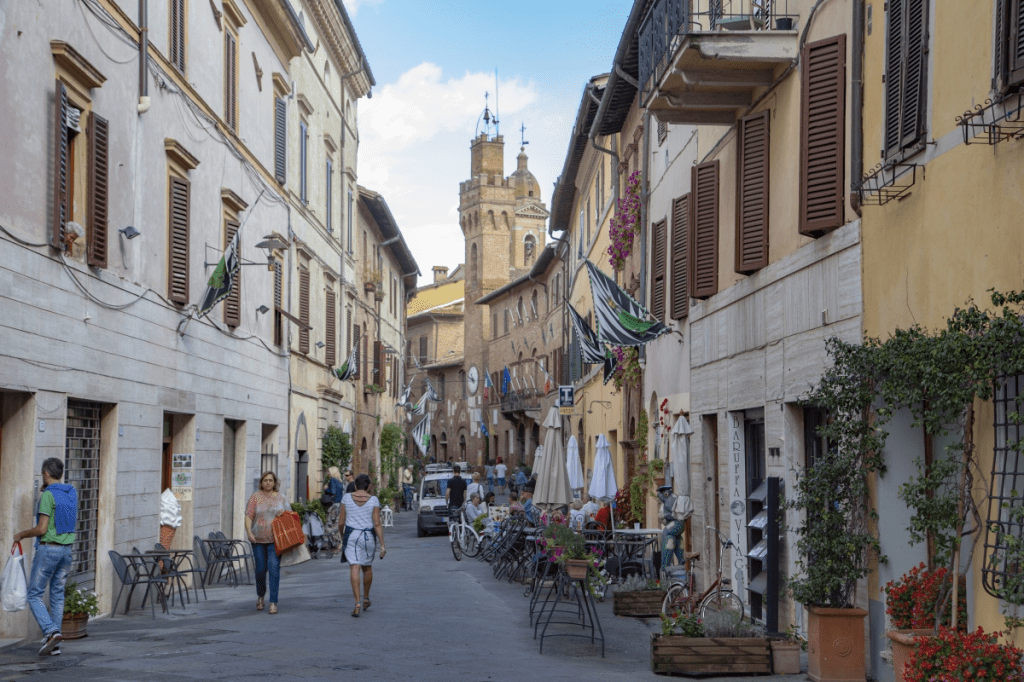
Another iconic aspect of Tuscany’s countryside is the medieval hilltop villages. These small, ancient towns like San Gimignano, Pienza, and Volterra are full of character, offering cobblestone streets, impressive architecture, and panoramic views of the countryside.
Tuscany’s Cuisine
No visit to Tuscany is complete without indulging in its famous cuisine. The region’s food is characterized by simple, fresh ingredients, with a focus on local meats, cheeses, vegetables, and, of course, olive oil and wine.
- Bistecca alla Fiorentina: A Tuscan-style T-bone steak, usually cooked rare and served with a drizzle of local olive oil.
- Pappa al Pomodoro: A hearty soup made from tomatoes, bread, garlic, basil, and olive oil.
- Ribollita: A traditional vegetable and bean soup, perfect for colder months.
- Crostini di Fegato: A delicious appetizer made from chicken liver pâté on toasted bread.
- Vino Chianti: The region is world-famous for its red wines, especially Chianti Classico, produced in the heart of Tuscany.
Additionally, Tuscany is known for its rich tradition of olive oil production, with many local farms offering tours and tastings of their high-quality extra virgin olive oils.
Practical Tips for Visitors
- Transportation: While Tuscany’s cities are well connected by trains, if you want to explore the countryside, renting a car is often the best option. The scenic drives through the hills, vineyards, and small villages are one of the highlights of a Tuscan trip.
- Language: Italian is the official language in Tuscany, but in tourist areas, many people speak English. Learning a few basic Italian phrases, however, can enhance your experience and endear you to the locals.
- Currency: Italy uses the Euro (€), and it’s advisable to carry some cash, especially in smaller towns or markets that may not accept cards.
- Safety: Tuscany is generally a very safe region for tourists. However, like anywhere, it’s wise to be cautious of pickpockets, especially in crowded areas like Florence’s historic center.


Hungry for more?
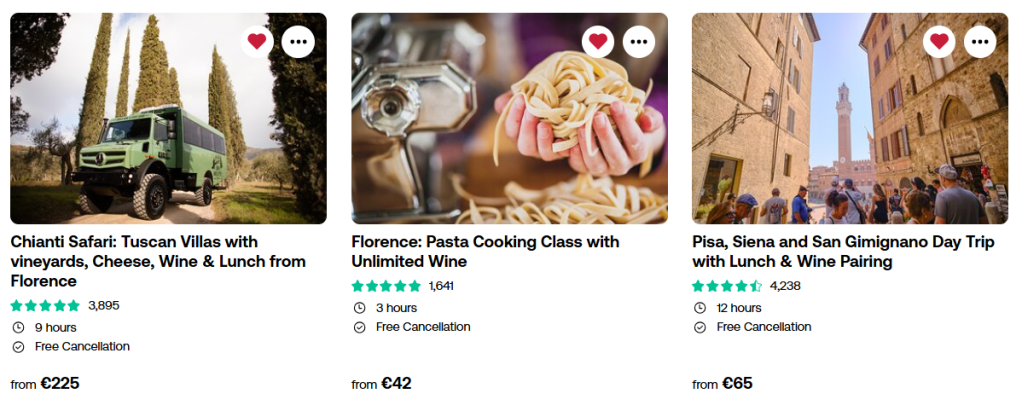
Enjoy our curated selection of special travel products with discounts, while you wait for your next flight!

TOP TRAVEL & FOOD ® team is made of tireless Expert Curators team to reveal “secret spots told by locals” just for you. They search for incredible destinations, dream accommodations, best flavors, memorable events and excellence services, to offer the target audience of readers and partners the greatest coverage and the best achievement of results, using the most modern technologies and expertise in the sector.



All our Review´s standards are covered with the go through careful selection for evaluation,
making a Exclusive selection list that caters to criteria used internationally. Articles and Exclusive Spot Reviews are conceptualized to transmit readers how was each experience with a brand, product or service. We cover the segments related to Tourism, Lifestyle, Gastronomy and Services, besides any others related to the city that we consider relevant for broadcast. We permanently stay connected to the ecosystem of Local Hubs. adding direct value to the Business Market.


 TOP TRAVEL & FOOD MAGAZINE