
Public Transportation:
Metro:
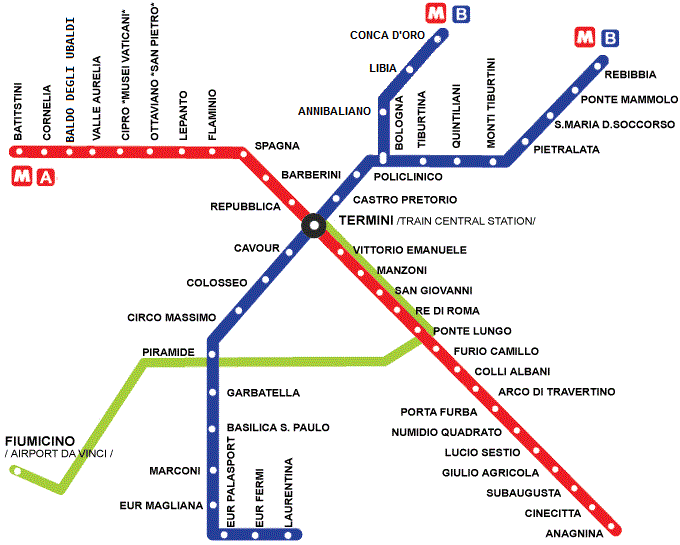
- Rome has an efficient metro system with three lines: A (orange), B (blue), and C (green).
- Line A connects major tourist sites like the Vatican and Spanish Steps.
- Line B is useful for reaching the Colosseum and Termini Station.
- Line C is expanding, connecting to more suburban areas.
Buses:
- ATAC operates an extensive bus network covering the entire city.
- Buses are a flexible option for reaching destinations not served by the metro.
- Tickets can be purchased at kiosks, tobacconists, or on board.
Trams:
- Trams are available, mainly in the city center and outer areas.
- They offer a scenic way to explore parts of Rome.
- Tickets are similar to bus tickets.
Trains:
- Rome’s main railway station is Termini, connecting to domestic and international destinations.
- Roma Tiburtina is another major station serving high-speed trains.
- Leonardo Express connects Fiumicino Airport to Termini.
Taxis and Ride-Sharing:
Taxis:
- Taxis in Rome are white and can be found at designated stands or hailed on the street.
- Fixed rates apply for journeys to and from airports or stations.
- Always use licensed taxis.
Ride-Sharing:
- Uber operates in Rome, providing an alternative to traditional taxis.
- Other local ride-sharing apps are available.
Cycling:
Bike Rentals:
- Rome is becoming more bike-friendly, with bike lanes in certain areas.
- Several companies offer bike rentals for exploring the city at your own pace.
Walking:
City Center:
- Many of Rome’s attractions are centrally located, making walking an enjoyable way to explore.
- Wear comfortable shoes and be prepared for uneven cobblestone streets.
Tips for Getting Around:
Roma Pass:
- Consider the Roma Pass for unlimited public transportation and museum entry.
- Provides a cost-effective option for tourists.
Traffic and Peak Hours:
- Rome’s traffic can be congested, especially during rush hours.
- Plan travel during off-peak times to avoid delays.
3. Navigating Ticketing:
- Tickets for public transportation must be purchased and validated before boarding.
- A single ticket is valid for 100 minutes of travel on buses, trams, and metro.
City Layout:
- Rome is divided into districts. Understanding the layout helps in planning efficient routes.
Language:
- English is commonly spoken in tourist areas, but learning a few basic Italian phrases is appreciated.



 TOP TRAVEL & FOOD MAGAZINE