
📍 Geography & Climate
Location:
Sardinia is the second-largest island in the Mediterranean, located to the west of mainland Italy. It is surrounded by the Tyrrhenian Sea to the west and north, the Strait of Bonifacio to the north, and the Mediterranean Sea to the south and east. Sardinia’s strategic position has made it a melting pot of cultures, from the ancient Nuragic civilization to the Phoenicians, Romans, and later the Spanish.
Landscape:
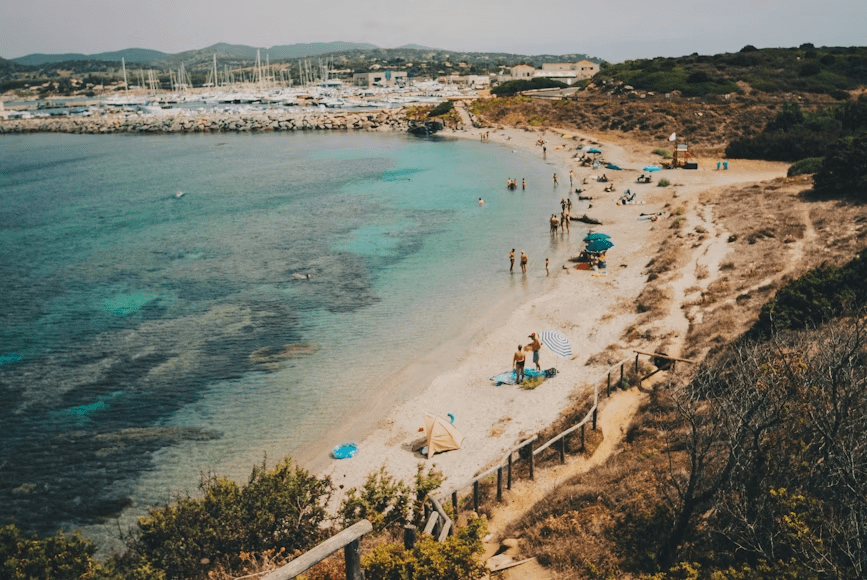
Sardinia is famous for its rugged mountains, verdant hills, pristine beaches, and dramatic cliffs. The island is home to a variety of landscapes, from the majestic Gennargentu mountain range in the interior to the stunning beaches along the Costa Smeralda. Sardinia also boasts beautiful caves, such as the Grotta di Nettuno, and prehistoric sites like the Nuraghe complex.
Climate:
- Winter: Mild along the coast, with colder temperatures in the mountain areas, especially in the interior.
- Summer: Hot and dry, especially inland, while the coastal areas enjoy a temperate climate ideal for beachgoers.
Best Time to Visit:
- April–October for exploring the coastline, hiking in the mountains, and enjoying the beaches.
- November–March for a quieter visit, especially to the archaeological sites.
🏙️ Main Cities & Towns
Cagliari:
The vibrant capital of Sardinia, located in the southern part of the island. Cagliari offers a mix of modern life and history, with its ancient Castello district, Roman ruins, and beautiful beaches such as Poetto. It is also a hub for Sardinian culture and cuisine.
Olbia:
A charming city in the northeast of Sardinia, Olbia is known as a gateway to the luxurious Costa Smeralda. With its proximity to stunning beaches, the island’s best shopping centers, and vibrant nightlife, Olbia attracts both tourists and locals alike.
Sassari:
Located in the northwestern part of the island, Sassari is known for its historic architecture, including the Cathedral of St. Nicholas. It offers a more inland experience with a blend of culture, history, and a rich university town atmosphere.
Alghero:
A stunning coastal town with Catalan influence, Alghero is known for its well-preserved medieval walls, cobbled streets, and delicious seafood. It is one of the most picturesque towns in Sardinia and is famous for its charming harbor.
Nuoro:
Situated in the center of the island, Nuoro is the gateway to Sardinia’s inland mountain region. The town has a rich cultural heritage and is known for its Sardinian museums, local handicrafts, and its connection to the writer Grazia Deledda.
Oristano:
A small, picturesque town in western Sardinia, Oristano is the ideal destination for those seeking tranquility, historic churches, and medieval ruins. It is also near the stunning Sinis Peninsula, which is famous for its ruins of Tharros and its beautiful beaches.
🎭 Culture & Traditions
Languages:
Italian is the official language, but Sardinian (Sardu) is widely spoken, especially in rural areas. The language has several dialects, which differ from one area to another. Many locals are bilingual, speaking both Italian and Sardinian.
Architecture:
Sardinia has a unique blend of ancient and modern architecture, from the prehistoric Nuraghi (megalithic stone towers) scattered across the island to Romanesque churches and Baroque town squares. Notable landmarks include the Nuraghe Su Nuraxi, the Cagliari Cathedral, and the Bastioni di Saint Remy.
Traditions:
- Cavalcata Sarda (Sardinian Cavalcade): A colorful and vibrant festival held in Sassari to celebrate Sardinian traditions, featuring parades, folk music, and displays of local costumes and crafts.
- Festa di Sant’Efisio (Cagliari): A major religious and cultural festival held annually in May in Cagliari, where people celebrate the patron saint with processions, traditional costumes, and street food.
- Sagra del Redentore (Nuoro): A feast in Nuoro to honor the Savior, with processions, music, and dancing, offering a glimpse into traditional Sardinian rural life.
🍇 Countryside, Nature & Vineyards
Natural Parks:
- Parco Nazionale del Gennargentu: A stunning national park located in central Sardinia, offering a vast network of hiking trails, dramatic landscapes, and rare flora and fauna.
- Parco della Giara di Gesturi: Famous for its wild horses, the Giara plateau offers a unique experience for nature lovers.
- Asinara National Park: Located on a small island off the coast of Sardinia, this park is known for its pristine beaches, diverse wildlife, and the historical Asinara prison.
Vineyards:
Sardinia is famous for its wines, particularly Cannonau (a red wine), Vermentino (white wine), and Carignano. The island’s climate and diverse terroir make it ideal for viticulture, and there are numerous vineyards and wineries that offer tours and tastings.
Olive Groves:
Sardinia is also known for its excellent olive oil production, particularly extra virgin olive oil. The island’s many olive groves produce a high-quality oil with a robust flavor, which is an essential ingredient in Sardinian cuisine.
🍽️ Cuisine of Sardinia
Sardinian cuisine is a mix of Mediterranean and ancient traditions, heavily influenced by the island’s history and its local ingredients. Sardinian dishes often feature lamb, seafood, and fresh vegetables.
Local Specialties:
- Porceddu: A traditional Sardinian dish of roasted suckling pig, typically prepared for celebrations and feasts.
- Malloreddus: Small, gnocchi-like pasta often served with a sausage and tomato sauce, one of the island’s most iconic pasta dishes.
- Fregola: A type of pasta resembling couscous, often served with seafood or vegetables.
- Seadas: A delicious dessert made of fried pastry filled with cheese and drizzled with honey.
- Pane Carasau: A thin, crisp flatbread, often served with cheese, olive oil, and cured meats.
🧳 Practical Tips for Visitors
Getting There:
- Ferries: Sardinia is well-connected to mainland Italy by ferry from Genoa, Livorno, and Civitavecchia, as well as from the French island of Corsica.
- Closest Airports: Cagliari Elmas, Olbia Costa Smeralda, and Alghero-Fertilia Airports serve international and domestic flights.
Getting Around:
- Car Rental: Renting a car is the best way to explore Sardinia, especially its remote towns and secluded beaches.
- Public Transportation: Buses and trains are available but are not always reliable in remote areas.
Currency: Euro (€)
Language Tips:
While Italian is widely spoken, learning a few phrases in Sardinian (Sardu) can help you connect with locals, especially in more rural areas.


Hungry for more?
Enjoy our curated selection of special travel products with discounts, while you wait for your next flight!


TOP TRAVEL & FOOD ® team is made of tireless Expert Curators team to reveal “secret spots told by locals” just for you. They search for incredible destinations, dream accommodations, best flavors, memorable events and excellence services, to offer the target audience of readers and partners the greatest coverage and the best achievement of results, using the most modern technologies and expertise in the sector.



All our Review´s standards are covered with the go through careful selection for evaluation,
making a Exclusive selection list that caters to criteria used internationally. Articles and Exclusive Spot Reviews are conceptualized to transmit readers how was each experience with a brand, product or service. We cover the segments related to Tourism, Lifestyle, Gastronomy and Services, besides any others related to the city that we consider relevant for broadcast. We permanently stay connected to the ecosystem of Local Hubs. adding direct value to the Business Market.


 TOP TRAVEL & FOOD MAGAZINE