🗺️ Geography and Climate
Sardinia is the second-largest island in the Mediterranean, located to the west of mainland Italy and just south of Corsica (France). It is surrounded by the Tyrrhenian Sea to the east and the Sardinian Sea to the west. The island’s terrain is incredibly diverse, ranging from white-sand beaches and granite cliffs to dense forests and wild mountains.
Key Features:
- Northern Sardinia: Home to glamorous Costa Smeralda, with luxury resorts, yacht-filled harbors (like Porto Cervo), and beaches with Caribbean-like waters.
- Central Sardinia: Mountainous and remote, this region preserves ancient traditions and is known for the Gennargentu Mountains and the Barbagia region.
- Southern Sardinia: Features the capital Cagliari, long beaches like Poetto, and archaeological sites such as Nora and Tuvixeddu.
Climate:
Sardinia enjoys a Mediterranean climate with hot, dry summers and mild, rainy winters.
- Best time to visit: May to early July and September – for warm weather without the high-season crowds.
- August: Hottest and busiest month, especially in coastal areas.
- Winter: Quieter, with some areas (especially inland) seeing cooler temperatures and occasional snow in the mountains.
🏛️ Main Cities and Regions
🟢 Cagliari (South)
- The capital city of Sardinia, it blends historical charm with a relaxed seaside lifestyle.
- Explore the medieval Castello quarter, Roman amphitheatre, and the palm-lined Via Roma.
- Ideal for combining beach time with cultural visits.
🔵 Olbia (Northeast)
- Gateway to Costa Smeralda and the La Maddalena Archipelago.
- While often overlooked, the city has great restaurants, ancient ruins, and convenient transport links.
🟣 Alghero (Northwest)
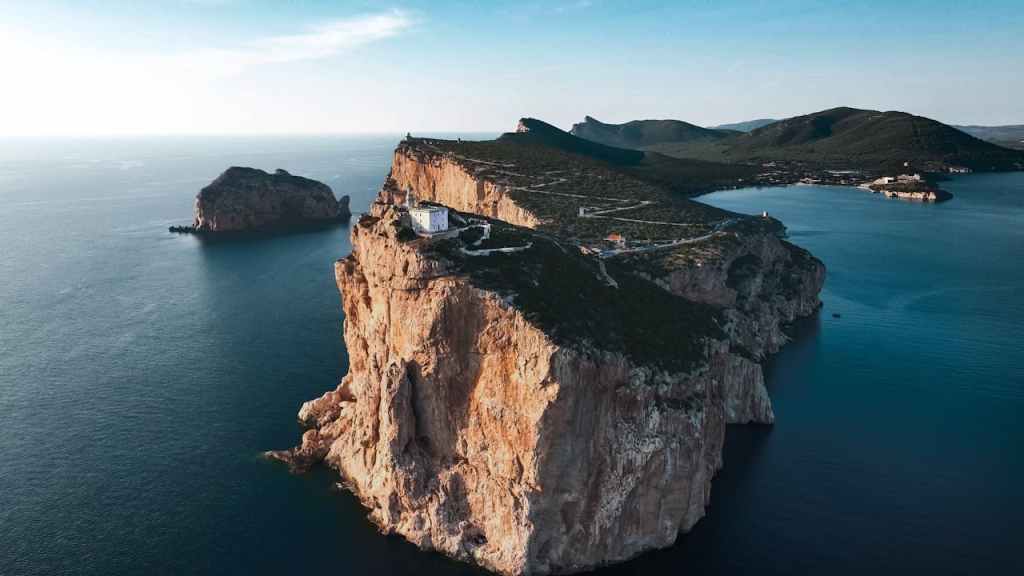
- A coastal city with Catalan heritage, cobbled old town, and access to stunning Neptune’s Grotto caves.
- Known for coral jewelry and the nearby Riviera del Corallo beaches.
🟠 Nuoro (Central)
- The cultural heart of inland Sardinia and a hub for exploring traditional villages.
- Visit the Museum of Sardinian Life and Popular Traditions and Supramonte hiking areas.
🔴 Oristano (West)
- Quieter and more authentic, with close proximity to Sinis Peninsula, Tharros ruins, and wild beaches like Is Arutas (famous for its quartz sand).
🎭 Culture and Traditions
Sardinian culture is distinct from the Italian mainland, with its own language (Sardu), music, and traditions. Many towns still celebrate pagan-rooted festivals, costume parades, and folk music events.
Key Traditions:
- Mamuthones of Mamoiada: Masked traditional figures seen during Carnival.
- Sartiglia Festival (Oristano): Equestrian tournament with medieval origins.
- Tenores Singing: Recognized by UNESCO, this unique polyphonic singing style comes from Barbagia.
🏺 History and Ancient Sites
Sardinia is one of the oldest inhabited parts of Europe and boasts over 7,000 Nuraghi—mysterious Bronze Age stone structures found nowhere else on earth.
Top Sites:
- Su Nuraxi (Barumini): UNESCO World Heritage Nuragic fortress.
- Tharros: Ancient Punic-Roman city on the Sinis Peninsula.
- Tiscali Village: Hidden Nuragic site inside a collapsed cave in Supramonte.
- Giants’ Graves (Tombe dei Giganti): Megalithic burial sites scattered across the island.
🍷 Countryside and Coastline
While coastal Sardinia is famous for its crystal-clear waters, inland Sardinia reveals a different world—untamed, mountainous, and deeply rooted in agropastoral life.
Must-see Coastlines:
- La Maddalena Archipelago: Boat tours from Palau reveal unspoiled islands.
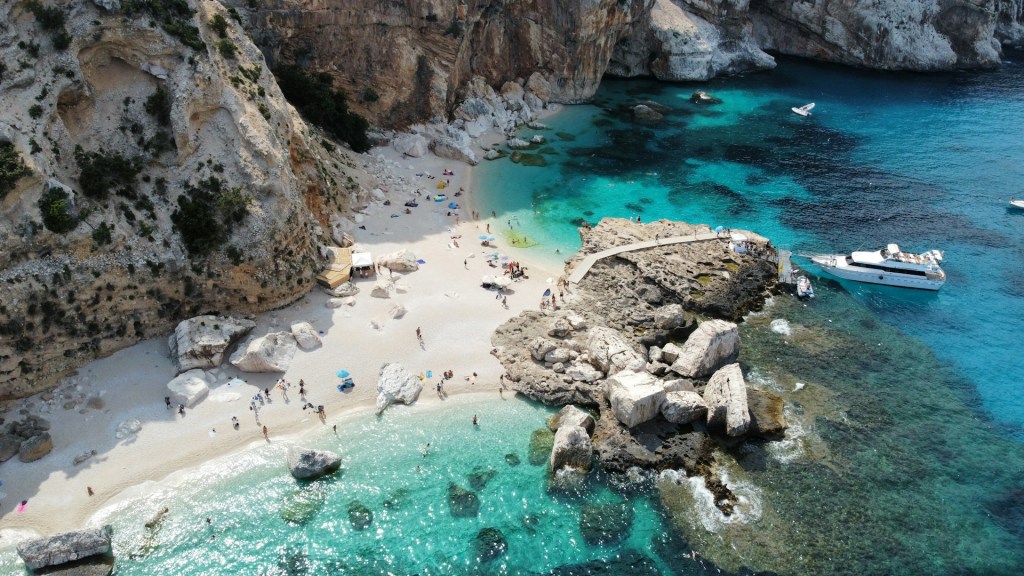
- Golfo di Orosei: Spectacular cliffs and hidden coves.
- Chia and Villasimius: Southern gems with soft sand and turquoise water.
- Costa Verde: Rugged and wild beaches perfect for escaping crowds.
🍝 Sardinian Cuisine
Sardinian food blends Mediterranean ingredients with rustic inland traditions. Expect lots of pork, sheep cheese, seafood, and wild herbs.
Dishes to Try:
- Porceddu: Roasted suckling pig, cooked over an open fire.
- Culurgiones: Stuffed pasta with potato, mint, and pecorino.
- Pane Carasau: Thin, crispy flatbread, often served with oil and rosemary.
- Fregula con arselle: Toasted semolina pasta with clams.
- Seadas: Fried pastry filled with cheese and topped with honey.
Local wines like Cannonau (red) and Vermentino (white) are a perfect match for these dishes.
🧭 Practical Tips for Visitors
- Getting Around: Public transportation connects major cities but is sparse in rural areas. Renting a car is highly recommended, especially for coastal exploration or inland towns.
- Language: Italian is widely spoken, and Sardinian (Sardu) is still used, especially in rural areas. English is common in tourist zones.
- Currency: Euro (€). Credit cards accepted in most places, but carry cash for remote areas.
- Safety: Sardinia is safe and welcoming. Be cautious when hiking remote areas—mobile signal may be limited.
- Local Etiquette: Sardinians are friendly but reserved. Respect for local customs and traditions is appreciated.


Hungry for more?
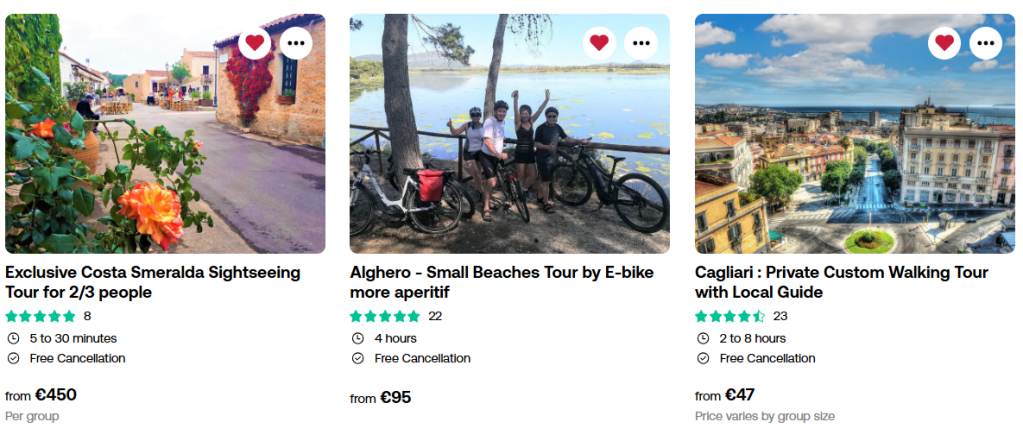
Enjoy our curated selection of special travel products with discounts, while you wait for your next flight!

TOP TRAVEL & FOOD ® team is made of tireless Expert Curators team to reveal “secret spots told by locals” just for you. They search for incredible destinations, dream accommodations, best flavors, memorable events and excellence services, to offer the target audience of readers and partners the greatest coverage and the best achievement of results, using the most modern technologies and expertise in the sector.



All our Review´s standards are covered with the go through careful selection for evaluation,
making a Exclusive selection list that caters to criteria used internationally. Articles and Exclusive Spot Reviews are conceptualized to transmit readers how was each experience with a brand, product or service. We cover the segments related to Tourism, Lifestyle, Gastronomy and Services, besides any others related to the city that we consider relevant for broadcast. We permanently stay connected to the ecosystem of Local Hubs. adding direct value to the Business Market.


 TOP TRAVEL & FOOD MAGAZINE