

🇮🇹Gateway to Sicilian Splendor
Palermo, the vibrant capital of Sicily, Italy, is a city steeped in history, culture, and Mediterranean charm. Nestled between the Tyrrhenian Sea and the rugged mountains of Sicily, Palermo boasts a rich tapestry of architectural styles, from Arab-Norman churches to Baroque palaces. Its bustling markets, delicious street food, and lively atmosphere make it a captivating destination for travelers seeking an authentic Italian experience with a Sicilian twist.
🚆Getting to Palermo
By Air
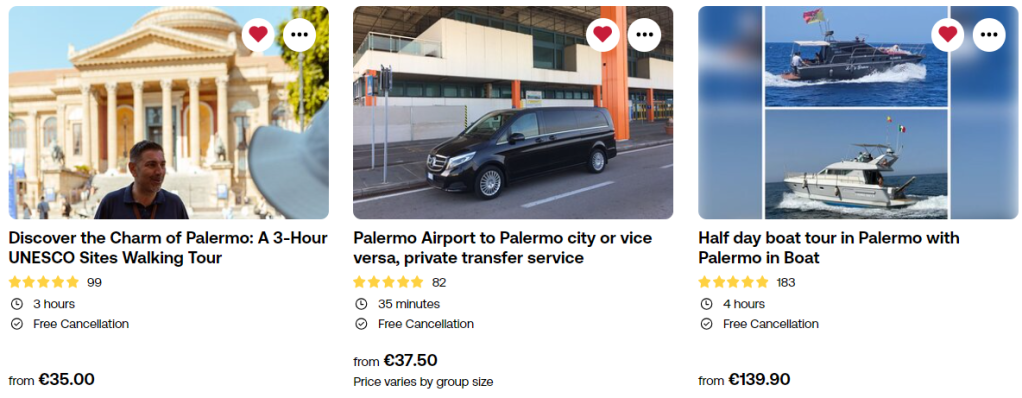
Falcone-Borsellino Airport (PMO), also known as Palermo Airport, is the main gateway to the city. Located approximately 35 km northwest of Palermo, the airport serves domestic and international flights, connecting Palermo with major cities across Europe and beyond. From the airport, you can reach the city center by airport shuttle buses, taxis, or rental cars.

By Train
Palermo Centrale is the city’s main railway station, offering connections to major cities in Sicily and mainland Italy, including Rome and Naples. The station is centrally located, making it convenient for visitors to explore Palermo and its surroundings using local transportation options.
By Ferry
Palermo’s strategic location on the Mediterranean coast makes it accessible by ferry from other Mediterranean destinations, including Naples, Genoa, and Tunis. The Port of Palermo, located in the city center, serves as a hub for ferry services, offering connections to nearby islands and mainland Italy.
🏛️What to See in Palermo
Norman Palace and Palatine Chapel
The Norman Palace, or Palazzo dei Normanni, is a stunning example of Norman architecture and houses the Palatine Chapel, renowned for its intricate mosaics and Arab-Norman decorations. The palace complex also includes the Royal Apartments and the impressive Palermo Cathedral.
Palermo Cathedral
The Palermo Cathedral, dedicated to the Assumption of the Virgin Mary, is a masterpiece of Sicilian architecture, blending Norman, Gothic, and Baroque styles. Highlights include its imposing facade, the Royal Tombs, and the Treasury with relics and artifacts.
Quattro Canti
Quattro Canti, or Piazza Vigliena, is a Baroque square at the intersection of Via Maqueda and Corso Vittorio Emanuele. The square features four identical facades adorned with statues and fountains, symbolizing the four seasons, four Spanish kings of Sicily, and the four patron saints of Palermo.
Ballarò Market
Ballarò Market is one of Palermo’s oldest and most vibrant outdoor markets, offering a sensory experience with its colorful stalls selling fresh produce, seafood, meats, and local delicacies. It’s a bustling hub of activity where locals and visitors alike come to shop and soak up the lively atmosphere.
Teatro Massimo
Teatro Massimo is Italy’s largest opera house and a symbol of Palermo’s cultural heritage. The neoclassical theater, completed in 1897, hosts opera, ballet, and classical music performances throughout the year. Guided tours are available for those interested in its architecture and history.
🏰A Brief History of Palermo
Palermo’s history stretches back over 2,700 years, shaped by various civilizations including the Phoenicians, Greeks, Romans, Arabs, Normans, and Spanish. As a major Mediterranean port city, Palermo flourished during the Arab-Norman period, becoming a center of trade, culture, and learning. Its diverse heritage is reflected in its architecture, cuisine, and traditions, making Palermo a melting pot of cultures in southern Italy.
🌞Best Time to Visit
The best time to visit Palermo is during the spring (April to June) and autumn (September to October) when the weather is pleasant, and the city is less crowded. Summer (July to August) can be hot, but it’s a lively time to experience outdoor events, festivals, and beach excursions. Winter (December to February) is cooler and quieter, ideal for exploring indoor attractions and enjoying Sicilian cuisine without the crowds.
🌆Palermo Nightlife
Palermo offers a vibrant nightlife scene with a mix of bars, pubs, and clubs catering to diverse tastes. The Kalsa district and Piazza Castelnuovo are popular nightlife hubs, offering live music, DJ sets, and outdoor terraces where you can enjoy cocktails and local wines. Many establishments also serve traditional Sicilian street food late into the night.
🏘️Recommended Neighborhoods to Stay in Palermo
Historic Center (Centro Storico)
Staying in Palermo’s Historic Center allows you to immerse yourself in the city’s cultural heritage, with easy access to landmarks like the Norman Palace, Cathedral, and Quattro Canti. Accommodations range from boutique hotels in historic palaces to charming bed-and-breakfasts tucked away in narrow alleys.
La Kalsa
La Kalsa is a historic neighborhood near the waterfront, known for its medieval streets, Arab-Norman architecture, and artistic vibe. It’s home to cultural institutions like the Galleria Regionale della Sicilia and offers a range of accommodations, from luxury hotels to cozy guesthouses with views of the sea.
Mondello
Mondello is a seaside resort town located a short drive from Palermo’s city center, known for its sandy beaches and clear turquoise waters. It’s a popular destination for sunbathing, swimming, and water sports, with beachfront hotels, restaurants, and cafes catering to visitors seeking a relaxing coastal retreat.
🏟️Getting Around Palermo
Palermo’s city center is best explored on foot, allowing you to wander through its narrow streets and discover hidden gems around every corner. The city also has an extensive public transportation network, including buses operated by AMAT (Azienda Mobilità e Trasporti) and a modern tram line connecting the city center with the suburbs and the airport.
🔑Palermo’s Hidden Gems – Secrets Shared by Locals
Capuchin Catacombs
The Capuchin Catacombs of Palermo contain thousands of mummified bodies dating back to the 16th century, offering a unique glimpse into Sicilian burial customs and religious practices. The catacombs are divided into different sections, including priests, professionals, and children, each with its own fascinating history.
Villa Giulia
Villa Giulia is a beautiful park and botanical garden near the seafront, featuring lush greenery, statues, and fountains. It’s a peaceful oasis away from the bustling city center, ideal for picnics, leisurely walks, and enjoying panoramic views of the Gulf of Palermo.
Antica Focacceria San Francesco
Antica Focacceria San Francesco is a historic eatery dating back to 1834, renowned for its traditional Sicilian street food, including arancini (rice balls), panelle (chickpea fritters), and freshly baked focaccia. It’s a favorite spot among locals and visitors alike for experiencing authentic Sicilian flavors.
Monreale
Just a short drive from Palermo, the town of Monreale is famous for its magnificent Norman Cathedral and its breathtaking Byzantine mosaics depicting biblical scenes. The cathedral and its cloister are UNESCO World Heritage sites, offering a peaceful retreat from the bustling city.
Best Places to Stay and Best Spots to Eat in Palermo
Here we provide complete information about our recommendations for the best hotels for a great stay, as well as restaurant options at various prices for all palates.





 TOP TRAVEL & FOOD MAGAZINE