
A Glimpse into Islamic Architecture and Culture
In the vibrant cityscape of Dubai, the Jumeirah Mosque stands as a beacon of Islamic art and culture. It is more than just a place of worship; it is a bridge that connects visitors from around the world to the traditions and values of Islam. In this comprehensive guide, we will explore the Jumeirah Mosque’s cultural significance, how to get there using public transportation, appropriate attire, fees, the importance of religious traditions, and the role of religion in Dubai’s diverse society.
A Spiritual Oasis in the Heart of Dubai
The Jumeirah Mosque, with its exquisite architecture, pristine white façade, and towering twin minarets, is an iconic symbol of Dubai. It was built in the traditional Fatimid style, emphasizing simplicity and elegance. The mosque is not only a place of worship but also a center for cultural exchange and education, promoting an understanding of Islamic traditions.
Getting to Jumeirah Mosque by Public Transportation
Reaching the Jumeirah Mosque via public transportation is straightforward:
- Dubai Metro: The nearest metro station to Jumeirah Mosque is the Al Fahidi Metro Station. From there, you can take a taxi or walk to the mosque.
- Bus: Several public bus routes pass near the Jumeirah Mosque, making it accessible from various parts of the city. Consult the Roads and Transport Authority (RTA) website for bus routes and schedules.
Appropriate Attire and Fees
Visitors to the Jumeirah Mosque are expected to dress modestly as a sign of respect for Islamic customs:
- Women: Should wear loose-fitting, long-sleeved clothing and a headscarf (which can be provided at the mosque if needed).
- Men: Should wear long trousers and a shirt with sleeves.
- Footwear: You will be asked to remove your shoes before entering the mosque, so it’s advisable to wear socks.
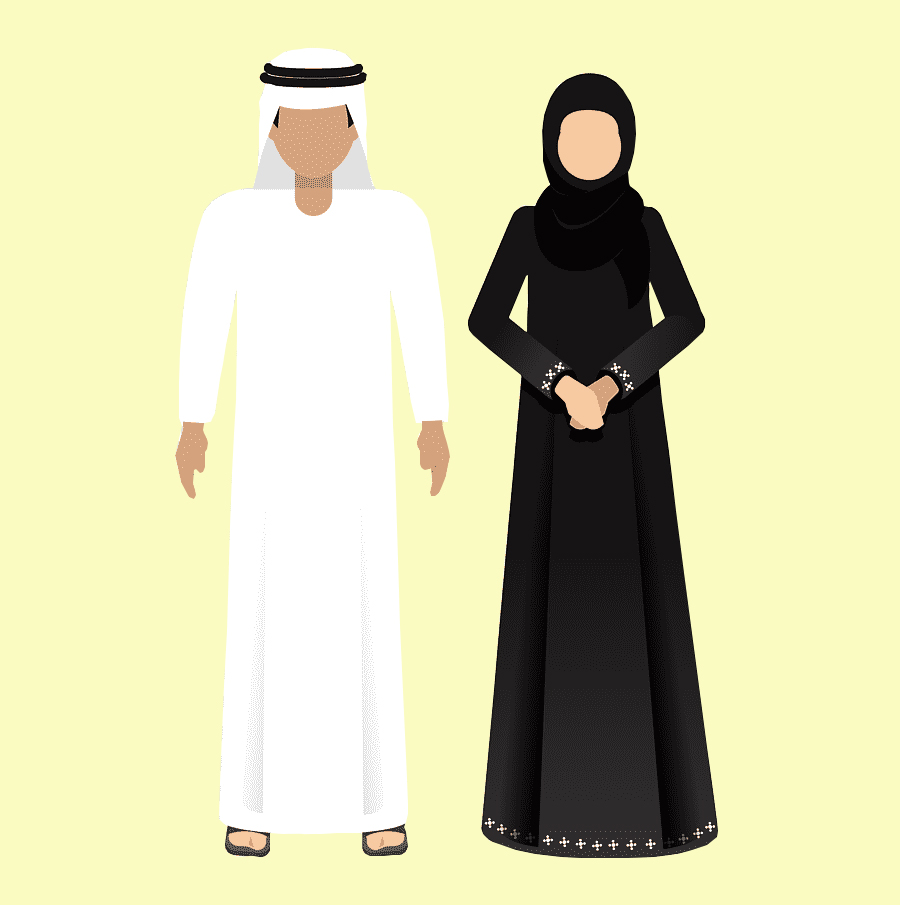
Admission to the Jumeirah Mosque requires a fee, and guided tours are available. The fees help support the mosque’s educational programs and maintain its heritage.
Understanding Religious Traditions
The Jumeirah Mosque offers guided tours that provide insight into Islamic customs, practices, and religious traditions. Some key aspects to keep in mind include:
- Prayer Times: Muslims pray five times a day, and the call to prayer, known as the Adhan, is heard from minarets. Respect these times by maintaining a quiet and respectful demeanor.
- Ramadan: During the holy month of Ramadan, Muslims fast from sunrise to sunset. It’s important to be discreet about eating, drinking, and smoking in public during this time.
- Friday Sermon: On Fridays, a special congregational prayer known as Jumu’ah takes place at mosques. While the Jumeirah Mosque doesn’t host Jumu’ah prayers, other mosques in Dubai do. If you attend one, it’s a chance to observe this important weekly event.
- Islamic Calendar: The Islamic calendar is lunar-based, so Islamic holidays, including Eid al-Fitr and Eid al-Adha, occur on different dates each year. These holidays are marked by communal prayers and festivities.
Religion in Dubai’s Diverse Society
Dubai is a multicultural and multi-religious city, with Islam as its predominant religion. While the Jumeirah Mosque offers insights into Islamic culture, Dubai also hosts places of worship for various religions, including Christianity, Hinduism, and others. The city embraces diversity and religious freedom, and residents and visitors are encouraged to respect and learn about the customs and practices of different faiths.
The Jumeirah Mosque represents a beautiful intersection of faith, culture, and education. As you explore its serene interiors, learn about Islamic traditions, and appreciate its architectural beauty, you’ll gain a deeper understanding of the role of religion in shaping Dubai’s identity and society.



 TOP TRAVEL & FOOD MAGAZINE