Local Slangs used in Madrid:
Madrid, like many urban centers, has its unique slang and colloquial expressions, known as “jergas” or “local slang.” These informal terms and phrases can add color to your interactions with Madrileños. Here are some common examples:
“Vale”: This is perhaps the most commonly used word in Madrid. It’s an all-purpose term that can mean “okay,” “sure,” or “got it.”
“Guay”: This slang term means “cool” or “awesome.” You’ll often hear it when someone is expressing approval or enthusiasm.
“Currelar”: It means “to work.” If someone says they are “currando,” they are working.
“Pasta”: In Madrid, “pasta” doesn’t refer to noodles. It’s a colloquial term for money.
“Colega”: This means “buddy” or “pal.” It’s a friendly way to refer to a friend.
“Botellón”: A popular Madrid tradition, it involves gathering in public places, usually in the evening, with friends and drinks. It’s a social event but often takes place in the street.
“Caña”: When ordering beer, asking for a “caña” means you want a small draft beer. It’s a common way to enjoy a drink in Madrid.
“Tapeo”: Madrid is famous for its tapas, and “tapeo” refers to the act of going out to eat tapas at different bars and restaurants.
Madrileños’ Peculiar Customs and Traditions:
Madrid has a unique blend of customs and traditions that reflect its rich history and cultural diversity. Here are some of the customs and practices commonly observed by Madrileños.:
- Siesta: While the traditional mid-afternoon siesta has become less common, some businesses still close for a short break. It’s a practice deeply rooted in Spanish culture.
- Terrazas: Madrileños love their outdoor terraces. You’ll find people enjoying coffee, meals, and socializing on the city’s numerous terrazas, especially during the warm months.
- La Puerta del Sol: This is not just a geographic location; it’s a symbol of Madrid. Madrileños gather here for celebrations, protests, and the famous New Year’s Eve countdown.
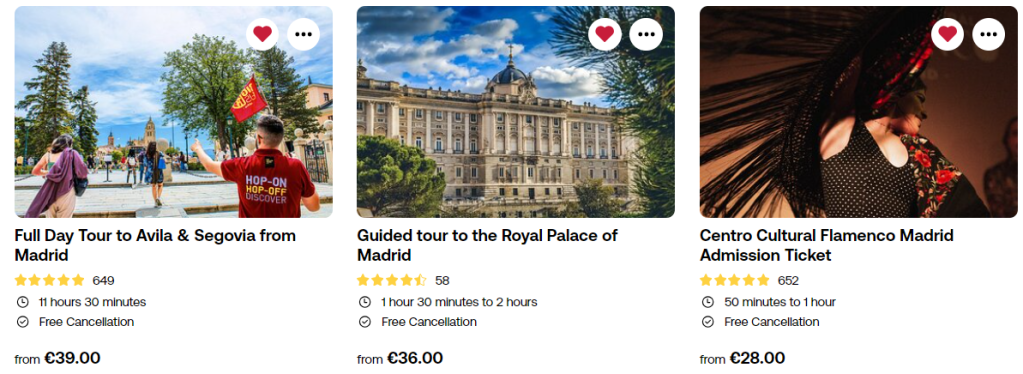
- Flamenco: Madrid is a hub for flamenco, and you can catch live performances in various tablaos and theaters throughout the city.
- El Rastro: This bustling flea market operates on Sunday mornings, offering everything from antiques to clothing and street food. It’s a beloved tradition for shopping and mingling.
- Churros and Chocolate: Enjoying churros dipped in thick, hot chocolate is a Madrid tradition, often indulged in for breakfast or as a late-night snack.
- Festivals: Madrileños love to celebrate. Be prepared for lively fiestas, such as San Isidro, La Paloma, and Dos de Mayo, which are celebrated with parades, music, and dancing.
- Bullfighting: While controversial, bullfighting is an integral part of Spanish culture. The Plaza de Toros de Las Ventas is one of the most renowned bullrings in the world.
- Tapas Culture: Going for tapas is not just about eating; it’s a social event. It’s common for friends to gather at multiple bars to enjoy small dishes and drinks together.
Greetings and Basic Phrases:
- Hola – Hello
- Buenos días – Good morning
- Buenas tardes – Good afternoon
- Buenas noches – Good evening/night
- Por favor – Please
- Gracias – Thank you
- De nada – You’re welcome
- Sí – Yes
- No – No
- Hablo un poco de español – I speak a little Spanish
- No hablo español – I don’t speak Spanish
- ¿Habla inglés? – Do you speak English?
Getting Around:
- ¿Dónde está…? – Where is…?
- Metro – Subway
- Autobús – Bus
- Estación de tren – Train station
- Aeropuerto – Airport
- Hotel – Hotel
- Baño – Restroom
- Entrada – Entrance
- Salida – Exit
At a Restaurant:
- Una mesa para dos, por favor – A table for two, please.
- La carta, por favor – The menu, please.
- Quiero… – I would like…
- La cuenta, por favor – The bill, please.
- ¿Tiene menú en inglés? – Do you have an English menu?
Shopping:
- ¿Cuánto cuesta? – How much does it cost?
- Quiero comprar esto – I want to buy this.
- Tarjeta de crédito – Credit card.
- Efectivo – Cash.
- ¿Tiene una bolsa? – Do you have a bag?
- ¿Puedo probármelo? – Can I try it on?
At the Cinema:
- Dos entradas para [nombre de la película], por favor – Two tickets for [movie name], please.
- ¿A qué hora empieza la película? – What time does the movie start?
- ¿Dónde está la sala de cine? – Where is the cinema hall?
- ¿Tienen subtítulos en inglés? – Do they have English subtitles?
Booking a Tour:
- Me gustaría reservar un tour – I would like to book a tour.
- ¿Cuál es el itinerario del tour? – What is the tour itinerary?
- ¿Cuál es el precio del tour? – What is the tour price?
- ¿Cuándo comienza el tour? – When does the tour start?
Emergencies:
- Ayuda – Help.
- Necesito un médico – I need a doctor.
- Policía – Police.
- Fuego – Fire.
- Hospital – Hospital.
- Farmacia – Pharmacy.
Useful information and tips
Communicating in Madrid, like in many major cities, can be quite manageable as it is a diverse and international metropolis. Here are some tips for effective communication in Madrid:
Language:
- The official language in Madrid and throughout Spain is Spanish. While many locals speak English, especially in business and tourism, it’s helpful to know some basic Spanish phrases.
Greetings:
- Common Spanish greetings include “Hola” (Hello) and “Buenos días” (Good morning) in the daytime, “Buenas tardes” (Good afternoon) in the late afternoon, and “Buenas noches” (Good evening/night) after sunset.
Courtesy:
- The Spanish culture places a strong emphasis on politeness. Using “Por favor” (Please) and “Gracias” (Thank you) is appreciated. “De nada” is the response to “Gracias,” which means “You’re welcome.”
English Proficiency:
- Many Madrileños, especially those in the tourism and hospitality sectors, speak English. However, in more local or residential areas, you may encounter fewer English speakers.
Hand Gestures:
- While gestures can vary across cultures, some are universal. In Madrid, a handshake is a common greeting in business settings. It’s essential to be aware of your body language to convey respect and politeness.
Public Transportation:
- Metro, bus, and train services are well-marked in both Spanish and English, making it easy to navigate the city. Public transport personnel often speak English, but a basic grasp of Spanish can be beneficial.
Tourist Information:
- In tourist areas, you’ll find information centers with staff who can provide assistance in various languages, including English.
Maps and Translation Apps:
- Carry a city map and a translation app on your smartphone. These tools can be invaluable when trying to convey directions or translate menus.
Emergency Phrases:
- It’s wise to know essential emergency phrases like “Ayuda” (Help), “Necesito un médico” (I need a doctor), or “Policía” (Police).
Adapt to Local Customs: – Madrileños have their customs and traditions. Being open to these local practices can help you connect with the people.



 TOP TRAVEL & FOOD MAGAZINE