
🇮🇹Language Spoken in Assisi: Italian
The official language in Assisi is Italian. This is the primary language used in day-to-day conversations, in restaurants, shops, and among locals. However, don’t worry! Assisi is a major tourist destination, and you’ll find that many people in the hospitality and tourism industries can communicate in English.
🗣️English in Assisi: Understanding the Basics
While Italian is the dominant language, English is widely understood in Assisi, especially in tourist hotspots. Most hotel staff, restaurant employees, and tour guides will be able to communicate in English, especially in the more frequented areas around the Basilica of St. Francis and other famous landmarks.
However, it’s always a good idea to learn a few basic Italian phrases. Even a small effort to speak the local language can go a long way in building rapport with locals. Here are some phrases to get you started:
- Ciao! (Hello!)
- Grazie! (Thank you!)
- Per favore. (Please.)
- Mi scusi, dove si trova…? (Excuse me, where is…?)
- Quanto costa? (How much does it cost?)
- Parla inglese? (Do you speak English?)
- Aiuto! (Help!)
By using these simple expressions, you’ll show respect for the local culture while making yourself understood. You might even receive a warm smile or a tip from the locals on how to say something better!
📱Helpful Technology for Communication
In today’s digital age, technology can be an invaluable resource when it comes to communicating abroad. There are several apps that can help you bridge the language gap in Assisi:
- Google Translate: This free app can translate text and spoken phrases in real time. It can help you communicate with locals when words fail.
- Duolingo: If you have time before your trip, Duolingo offers a fun and interactive way to learn basic Italian phrases and vocabulary.
- Maps and Navigation Apps: Apps like Google Maps and Apple Maps are helpful for navigating the streets of Assisi. They offer walking routes, transportation options, and can even help you with translations for locations or addresses.
👋Understanding Italian Gestures
Italians are famous for their expressive communication, and gestures are a big part of daily conversation. Even if you don’t speak much Italian, understanding a few common Italian hand gestures can help you make yourself understood. Here are a few to remember:
- “Che vuoi?” (What do you want?) – Raising your shoulders and hands can indicate confusion or that you don’t understand something.
- “Mamma mia!” – Often used to express surprise or exasperation, this is a fun one to incorporate into your interactions!
- “Perfetto!” – If something is just right, you might see Italians make a circular motion with their fingers, which is a universal gesture for something “perfect.”
These non-verbal cues are often more powerful than you might expect and can help convey your feelings and intentions when words aren’t enough.
🌍Where English is Common in Assisi
While Italian is the main language, there are several places where English is commonly spoken:
- Hotels and Lodging: Most hotels in Assisi, especially those catering to international tourists, have staff who speak English.
- Tourist Information Centers: You’ll find that information centers in Assisi provide pamphlets and services in English. Staff will also typically speak English to assist visitors.
- Restaurants and Cafes: In tourist-heavy areas, you’ll be able to find English menus, and staff will often be able to communicate in basic English. For a more immersive experience, try ordering in Italian—locals will appreciate it!
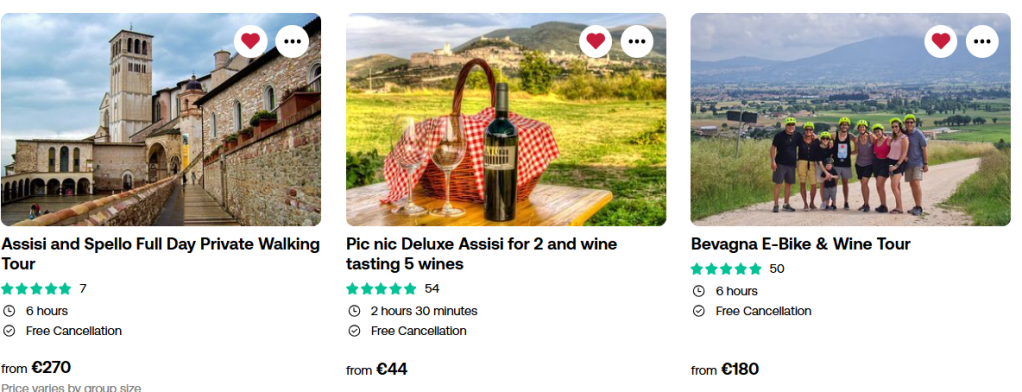
- Guided Tours: Many tour operators in Assisi offer English-language tours. These are especially useful for visitors who want to learn more about Assisi’s history, art, and architecture.
🌾Rural Areas and Off-the-Beaten-Path Communication
If you venture beyond the main tourist areas, especially in rural parts of Assisi, you may encounter fewer people who speak English. In such cases, it’s a good idea to have some knowledge of basic Italian or use a translation app. For example, small family-run trattorias or shops might have less English-speaking staff, but the experience will be more authentic and rewarding!
Don’t be afraid to point, use hand gestures, or even write things down if necessary. The Italians are friendly and often appreciate your effort to engage with them, even if there’s a bit of a language barrier.
💬Cultural Tips for Communication in Assisi
While communicating in Assisi, it’s also important to keep in mind a few cultural norms that can make your interactions more pleasant:
- Politeness is key: Always greet people with a polite “Ciao” or “Buongiorno” (Good morning). It’s considered respectful to greet others before starting a conversation.
- Be patient: The Italian way of communicating is often relaxed and warm. Take your time with conversations, and don’t rush through interactions. Italians enjoy a good chat, and taking the time to connect can make your experience much more memorable.
- Show appreciation: Italians are known for their pride in their country and culture. When you appreciate their language, food, or history, they will be more inclined to engage with you warmly.



 TOP TRAVEL & FOOD MAGAZINE