
Madrid, the captivating heart of Spain, boasts an extensive and well-connected transportation system that makes traversing the city a breeze. From the efficient metro and comprehensive bus network to reliable taxis and eco-friendly cycling options, Madrid offers a multitude of ways to explore its vibrant streets. In this comprehensive guide, we’ll delve into the diverse modes of transportation, including essential information about the Madrid Metro, Bus System, Cercanías commuter trains, Taxi Service, BiciMAD bike-sharing program, and the Tourist Travel Pass.
Madrid Metro
Dive into the Madrid Metro, one of Europe’s largest and most efficient underground systems, with 12 interconnected lines spanning the city. Each line is color-coded and numbered for easy identification.
- Explore the highlights and destinations of each metro line:
- Line 1 (Light Blue): Connects Pinar de Chamartín in the north to Valdecarros in the southeast, passing through key stations like Sol and Atocha.
- Line 2 (Red): Runs from Cuatro Caminos in the north to Las Rosas in the southeast, serving popular stops like Plaza de España and Sol.
- Line 3 (Yellow): Travels from Villaverde Alto in the south to Moncloa in the northwest, stopping at bustling locations like Callao and Embajadores.
- Line 4 (Dark Blue): Connects Argüelles in the west with Parla in the south, with key stops at Goya and Serrano.
- Line 5 (Green): Links Casa de Campo in the west to Alameda de Osuna in the northeast, serving important hubs like Gran Vía and Chueca.
- Line 6 (Grey): Runs in a circular pattern, connecting key points such as Ciudad Universitaria and Diego de León.
- Line 7 (Orange): Travels from Hospital del Henares in the east to Pitis in the northwest, passing through Noviciado and Canal.
- Line 8 (Pink): Connects Nuevos Ministerios in the north to Aeropuerto T4 in the east, providing access to Madrid-Barajas Airport.
- Line 9 (Purple): Links Arganda del Rey in the southeast to Paco de Lucía in the southwest, stopping at Río and Príncipe de Vergara.
- Line 10 (Dark Blue): Circles Madrid, connecting key locations like Plaza de España, Nuevos Ministerios, and Principe Pío.
- Line 11 (Light Green): Runs from La Peseta in the southwest to Plaza Elíptica in the south, serving important hubs like Pan Bendito and Legazpi.
- Line 12 (Light Green): Connects MetroSur stations in the south to the center of Madrid at Moncloa.
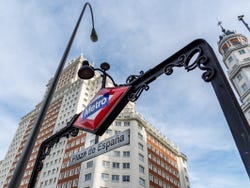
Plaza de España
Here are some must-see sights near each metro line:
Line 1 (Light Blue):
- Sol: Puerta del Sol, Madrid’s central square, is famous for the iconic “Kilometer Zero” marker. Explore the bustling streets, visit shops, and enjoy street performances.
- Gran Vía: Known as the “Spanish Broadway,” this vibrant avenue features theaters, shops, and striking architecture.

Line 2 (Red):
- Plaza de España: Admire the towering monument to Cervantes and the beautiful gardens at this square. Nearby is the Royal Palace, a must-visit royal residence.
- Retiro: Explore the lush Retiro Park, a serene oasis in the heart of the city with gardens, a boating lake, and the Crystal Palace.
Line 3 (Yellow):
- Museo del Prado: Discover one of the world’s greatest art collections at the Prado Museum, home to masterpieces by Goya, Velázquez, and El Bosco.
- El Retiro: Enjoy the greenery of Retiro Park, a perfect place for a leisurely stroll or a picnic.
Line 4 (Dark Blue):
- Goya: Shop at El Corte Inglés, Spain’s largest department store, and explore the upscale shopping district of Salamanca.
- Serrano: Wander through Calle Serrano, known for its luxury boutiques and upscale fashion.
Line 5 (Green):
- Chueca: Experience Madrid’s LGBTQ+ district, known for its vibrant nightlife, trendy bars, and eclectic atmosphere.
- Gran Vía: Enjoy the lively ambiance of this iconic street with its theaters, shops, and dining options.
Line 6 (Grey):
- Ciudad Universitaria: Visit Complutense University of Madrid and its beautiful campus, which includes a botanical garden and cultural facilities.
- Diego de León: Explore the neighborhood’s lively streets, filled with restaurants, bars, and shops.
Line 7 (Orange):
- Canal: Delve into the world of arts and culture at the Canal Theatres, which host a variety of performances, exhibitions, and events.
- Noviciado: Stroll through the charming streets of Malasaña, known for its alternative culture, vintage shops, and nightlife.
Line 8 (Pink):
- Nuevos Ministerios: Admire the modern architecture and visit the Azca financial district, home to some of Madrid’s tallest skyscrapers.
- Aeropuerto T4: Access Madrid-Barajas Airport’s Terminal 4 for international travel.
Line 9 (Purple):
- Río: Experience the vibrant Rio Park, where you can enjoy outdoor activities, open-air concerts, and beautiful gardens.
- Príncipe de Vergara: Explore the upscale neighborhood of Salamanca, known for its designer boutiques and gastronomic delights.
Line 10 (Dark Blue):
- Plaza de España: Visit the iconic square with the Cervantes Monument and head to the Royal Palace and Almudena Cathedral nearby.
- Nuevos Ministerios: Explore the upscale shopping district and modern architecture.
Line 11 (Light Green):
- Legazpi: Discover Matadero Madrid, a cultural center hosting exhibitions, performances, and events in a former slaughterhouse.
- Pan Bendito: Explore the Pan Bendito Park, a green oasis perfect for relaxation and picnics.
Line 12 (Light Green):
- Moncloa: Visit the Debod Temple, an ancient Egyptian temple relocated to Madrid, and enjoy panoramic views of the city from the nearby park.
- Ciudad Universitaria: Explore the vibrant campus of Complutense University and its cultural attractions.
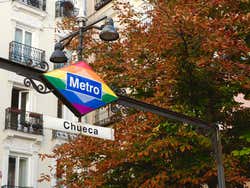
Chueca Metro in Madrid
Running Times:
- The Madrid Metro typically operates from 6:00 AM to 1:30 AM. However, it’s important to check the specific schedule for each line, as there may be slight variations.
- Some lines offer 24-hour service on Fridays, Saturdays and holidays, in special ocasions.
Fares:
- Madrid’s metro fare system is zone-based, with the city divided into various fare zones. The majority of tourist attractions are within Zone A.
- Single Journey Tickets: These tickets are valid for one trip within a specific zone. Prices vary depending on the number of zones you travel through.
- Multi-Journey Cards: Available in increments of 10 journeys, these cards offer cost savings compared to single tickets.
- Tourist Travel Passes: The most convenient option for tourists, these passes provide unlimited travel on the metro, buses, trams, and local trains within the selected zones for a set duration (1, 2, 3, 5, or 7 days). They also include one airport journey.
- Children under 4 years old travel for free when accompanied by an adult.
Tips for Using the Madrid Metro:
Get a Metro Map: Grab a metro map at the station or use mobile apps to plan your routes and understand the metro’s layout.
Buy a Transport Card: Consider purchasing a Tourist Travel Pass for convenience and savings, especially if you plan to use public transportation frequently during your visit.
Use the Contactless Card System: The metro uses contactless cards called “Tarjeta Multi,” which can be recharged with credit for multiple journeys. These cards offer flexibility and save time compared to buying individual tickets.
Keep an Eye on Your Belongings: Like in any major city, be aware of your surroundings and keep your belongings secure while using public transportation.
Mind the Gap: Pay attention to platform markings and the “mind the gap” warning when boarding trains.
Avoid Rush Hours: If possible, avoid using the metro during peak hours (around 8:00 AM to 9:30 AM and 6:00 PM to 8:00 PM) when it can be crowded.Use Elevators and Escalators: The metro stations are generally well-equipped with elevators and escalators for accessibility.
Types of Metro Cards:
Single Journey Tickets: These are one-time use tickets, available from ticket machines at metro stations. They are valid for one journey within a specific fare zone.
Multi-Journey Cards (Abono Transporte): Available in packs of 10 journeys, these cards offer a discounted rate per journey compared to single tickets.
Tourist Travel Passes (Abono Turístico): Ideal for tourists, these passes provide unlimited travel on the metro, buses, trams, and local trains within the selected zones. They also include one journey to/from the airport. Passes are available for 1, 2, 3, 5, or 7 consecutive days.
Tarjeta Multi: These contactless cards are reloadable and can be used for multiple journeys on the metro, buses, trams, and local trains. They offer flexibility and convenience for both residents and visitors.
Useful Information:
- Language: Spanish is the primary language spoken, but you’ll find that many metro station signs and ticket machines have English translations.
- Accessibility: Madrid’s metro system is generally accessible, with elevators, escalators, and tactile paths for passengers with reduced mobility.
- Lost and Found: If you lose something on the metro, you can inquire about lost items at the Lost Property Office (Oficina de Objetos Perdidos) located at the Nuevos Ministerios station.
- Security: Madrid’s metro is safe, but it’s always a good practice to be cautious and aware of your surroundings, especially in crowded areas.
- Emergency Services: The metro has emergency buttons on platforms and in trains for assistance. In case of emergency, dial 112 for immediate help.
Madrid Cercanías
Madrid’s commuter rail service is called Madrid Cercanías and it connects various parts of the city and the main towns in the Community of Madrid and other nearby provinces.
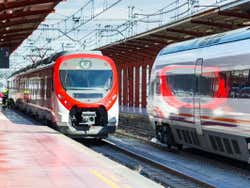
Cercanías in Madrid
Cercanía trains are connected to the main metro stations in the city and sometimes can be the fastest way of getting from one part of Madrid to another, especially in its metropolitan area.
Running times
Most cercanía lines operate Monday to Friday between 5 am – 5:30 am and midnight, although the times can vary depending on each line.
The frequency also depends on the areas of Madrid. For example, the closer to the city centre the more frequent the trains are (every 5 minutes approximately), while trains pass the peripheral areas every 15 minutes or so.
A one-way journey is valid for the next two hours after validating it. The Bonotren (Train pass) is a 10-journey card that is valid for one month and can be used by more than one person.
Children under six years old can travel for free in Cercanías, although this doesn’t ensure them a seat. Only two children can travel for free with one adult.
Main Stations:
- Atocha Cercanías: Located at the bustling Atocha train station, this hub connects to other Cercanías lines and is close to the famous Atocha Gardens and Reina Sofia Museum.
- Chamartín: A major transport hub connecting Cercanías lines with national and international trains. It’s also close to the Santiago Bernabéu Stadium.
- Nuevos Ministerios: Near the Paseo de la Castellana, this station provides easy access to the financial district, AZCA complex, and the famous Paseo de la Castellana.
- Sol: Centrally located, Sol station offers easy transfers to the metro and is surrounded by shops, restaurants, and Puerta del Sol, Madrid’s central square.
- Principe Pío: Adjacent to the Principe Pío shopping mall and the Royal Palace, this station is perfect for exploring the historic and cultural sites in western Madrid.
- Aranjuez: A beautiful town known for its Royal Palace, gardens, and historic heritage. The station allows easy access to these attractions.
- El Escorial: Famous for the Royal Monastery of San Lorenzo de El Escorial, a UNESCO World Heritage Site. The station is a gateway to this historic marvel.
What to See at Cercanías Stations:
- Atocha Cercanías: Explore the Reina Sofia Museum, Atocha Gardens, and the tropical garden inside Atocha Station.
- Chamartín: Visit Santiago Bernabéu Stadium for a Real Madrid football match or tour.
- Nuevos Ministerios: Stroll along the Paseo de la Castellana and visit the AZCA financial district.
- Sol: Experience the vibrant heart of Madrid with shops, street performances, and lively atmosphere.
- Principe Pío: Explore the Royal Palace, Almudena Cathedral, and the beautiful Campo del Moro Gardens.
- Aranjuez: Wander through the stunning Royal Palace and its extensive gardens.
- El Escorial: Delve into the rich history of the Royal Monastery and the surrounding town.
Fares:
- Cercanías fares are zone-based, similar to the metro system. The majority of tourist attractions are within Zone A.
- Single Journey Tickets: These are valid for one trip within specific fare zones.
- Multi-Journey Cards: Available in packs of 10 journeys, providing cost savings compared to single tickets.
- Tourist Travel Passes: Tourist passes, such as the Tourist Travel Pass (Abono Turístico), offer unlimited travel on Cercanías trains within selected zones and also include metro, buses, and trams.
Useful Information:
- Operating Hours: Cercanías trains typically operate from early morning to late evening. However, it’s advisable to check the specific schedules for each line and station.
- Integration: Cercanías trains can be easily integrated with other modes of transportation, such as the metro and buses, for a seamless travel experience.
- Accessibility: Stations and trains are equipped with facilities for passengers with reduced mobility.
- Security: As with any public transportation system, maintain vigilance with your belongings, especially during peak hours and at crowded stations.
- Emergency Services: Emergency buttons and intercoms are available for assistance within the stations and on trains.
Madrid Taxi Service
Madrid, a bustling metropolis rich in culture and history, offers an efficient and reliable taxi service that’s an excellent choice for travelers looking for a convenient way to navigate the city. In this comprehensive guide, we’ll delve into the world of Madrid Taxi Service, covering everything from hailing a taxi to understanding fares, tips for a smooth experience, and useful information:
Hailing a Taxi:
- Taxi Stands: Throughout Madrid, you’ll find designated taxi stands, often located near popular attractions, transportation hubs, and major thoroughfares. These are the easiest places to hail a cab.
- Raising Your Hand: If you’re on a street without a taxi stand, you can hail a taxi by raising your hand when you spot one with a green “Libre” (available) sign on its roof.
- Taxi Apps: Alternatively, you can use popular ride-hailing apps like Uber or Cabify to book a taxi, making the process even more convenient.
Taxi Fares:
- Fare Structure: Taxi fares in Madrid are regulated and consist of a base fare plus additional charges based on factors like distance traveled and time of day.
- Extras: Additional charges may apply for luggage, traveling to/from the airport, and late-night journeys.
- Receipts: Always ask for a receipt (ticket) after your ride, as it provides details of the fare and the taxi’s identification.
Useful Tips for a Smooth Taxi Experience:
- Cash or Card: Most taxis in Madrid accept both cash and card payments, but it’s a good idea to have some cash on hand, especially for shorter rides.
- Taxi Numbers: Take note of the taxi’s identification number displayed on the dashboard in case you need to report any issues or leave feedback.
- Seat Belts: Ensure that you and your fellow passengers are wearing seat belts at all times for safety.
- Tipping: Tipping is not obligatory but is appreciated. You can round up the fare or leave a small tip for excellent service.
- Taxi Scams: Be cautious of unauthorized taxis. Only use officially marked taxis with the “SP” or “Servicio Público” sign on their doors.
- Communication: While Spanish is the primary language spoken by taxi drivers, many can communicate in basic English, so having the address written down or using a map app can be helpful.
Madrid Taxi Service at the Airport:
- Madrid-Barajas Airport has a designated taxi rank where you can easily find licensed airport taxis. These taxis offer fixed fares to different zones within Madrid, ensuring a hassle-free journey to your destination.
Additional Information:
- Taxi Accessibility: Many taxis in Madrid are adapted to accommodate passengers with reduced mobility. You can request an adapted taxi when booking.
- Emergency Services: Taxis are equipped with emergency buttons and intercoms for immediate assistance if needed.
- Lost and Found: If you leave something in a taxi, you can inquire about lost items through the Madrid City Council’s Lost Property Office (Oficina de Objetos Perdidos).
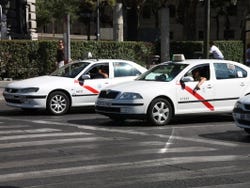
Taxis in Madrid
Madrid Bus System
Madrid’s extensive bus network is an efficient and convenient way to explore the city’s vibrant neighborhoods, iconic landmarks, and cultural attractions. In this comprehensive guide, we’ll provide you with valuable information about the Madrid Bus System, including useful tips, running times, ticket options, and suggested bus routes to help you make the most of your visit:
Useful Information:
- Bus Network Overview: Madrid’s bus system consists of numerous routes covering the entire city, making it a versatile mode of transportation for both residents and visitors.
- Operational Hours: Buses typically run from around 6:00 AM to 11:30 PM, with some night buses (Búhos) offering service during the late hours.
How to Buy Tickets:
- Single Journey Tickets: You can purchase single journey tickets directly from the bus driver when you board. These tickets are valid for one trip.
- Multi-Journey Cards (Abono Transporte): If you plan to use public transportation frequently, consider buying a multi-journey card that allows you to preload multiple journeys, providing cost savings compared to single tickets.
- Tourist Travel Passes (Abono Turístico): Tourists can opt for a Tourist Travel Pass, providing unlimited travel on the bus network and other forms of public transportation within selected zones. These passes are available for 1, 2, 3, 5, or 7 consecutive days and are an excellent option for exploring Madrid’s attractions.
Tips for a Smooth Bus Experience:
- Route Planning: Use official maps and smartphone apps to plan your bus routes and check schedules.
- Bus Stops: Bus stops are clearly marked and usually display route information, schedules, and route maps. Wait at the designated stops to board.
- Payment Methods: Pay for your journey with the exact fare in cash when boarding, or use contactless payment methods where available.
- Night Buses (Búhos): Madrid’s night buses (Búhos) operate after regular bus services end, providing an option for late-night travelers.
- Accessibility: Buses are generally accessible, with designated areas for passengers with reduced mobility.
- Priority Seating: Respect priority seating for elderly, disabled, or pregnant passengers.
- Timeliness: Buses in Madrid are known for their punctuality, so arrive at the stop a few minutes early.
Suggested Bus Routes:
Route 3: Take this route to visit major attractions such as the Royal Palace, Almudena Cathedral, and the Debod Temple.
Route 27: Explore Madrid’s art scene by taking this bus to the Reina Sofia Museum, Thyssen-Bornemisza Museum, and Prado Museum.
Route 53: Enjoy a scenic journey through the Retiro Park, passing by the beautiful Crystal Palace and the lake.
Route 148: This route connects key shopping districts like Gran Vía, Callao, and Chueca, ideal for shoppers and fashion enthusiasts.
Route 2: Explore the historic center of Madrid, including Puerta del Sol, Plaza Mayor, and the Mercado de San Miguel.
Route 74: Head to the Santiago Bernabéu Stadium, home of Real Madrid, to catch a football match or take a tour of the iconic stadium.
Route 39: Discover the lively neighborhoods of Malasaña and Conde Duque, known for their vibrant nightlife and cultural venues.
BiciMAD
- BiciMAD is Madrid’s official public bike-sharing system, designed to promote green mobility and reduce urban congestion.
- Bike Stations: BiciMAD stations are strategically placed throughout the city, making it convenient for residents and visitors to access bicycles for short trips.
How BiciMAD Works:
- Subscription: Users can subscribe to BiciMAD for different durations, including daily, weekly, and annual subscriptions.
- Bike Pick-Up: To access a bike, users simply swipe their BiciMAD card at a station’s terminal, which unlocks the bike.
- Flexible Use: Bicycles can be used for short trips within the city and returned to any BiciMAD station. There’s no need to return the bike to the same station.
- Charging Stations: Some BiciMAD stations also have electric bicycles (e-bikes) with built-in charging stations.
Useful Information:
- Pricing: BiciMAD offers various pricing options, including single rides and subscription plans. Subscribers typically enjoy unlimited use during their subscription period.
- Rental Durations: Most subscriptions allow for rides of up to 30 minutes without additional charges. Longer rides may incur extra fees.
- Booking: Bicycles can be booked in advance using the BiciMAD app or website, allowing you to plan your ride in advance.
- Bike Availability: Real-time information on bike availability at different stations is available via the BiciMAD app or website.
Tips for a Smooth BiciMAD Experience:
Safety First: Wear a helmet and follow traffic rules. Madrid has designated bike lanes, so use them whenever possible.
Inspect the Bike: Before riding, check the bicycle’s brakes, tires, and gears to ensure they are in working order.
Lock Safely: When making intermediate stops, use the bike lock provided to secure the bicycle. Remember to unlock it using your card when you’re ready to continue.
Charging E-Bikes: If you opt for an electric bike, make use of charging stations available at some BiciMAD stations.
Return the Bike: Ensure that you return the bicycle to an available docking space at a BiciMAD station within the allowed time to avoid additional charges.
Exploring Madrid by BiciMAD:
- Cycling Routes: Madrid offers a network of cycling lanes and routes, making it easy and safe to explore the city on two wheels.
- Bike-Friendly Parks: Explore parks like Retiro Park, Casa de Campo, and Madrid Río, which offer beautiful scenic routes ideal for cycling.
- Cultural Stops: Use BiciMAD to reach iconic cultural sites like the Prado Museum, Puerta de Alcalá, and the Royal Palace.
Additional Information:
- Maintenance: BiciMAD bicycles are regularly maintained to ensure they are in optimal condition.
- Customer Service: If you encounter any issues or need assistance, BiciMAD’s customer service is readily available to help.
- Promoting Sustainability: By choosing BiciMAD, you contribute to Madrid’s sustainability efforts by reducing pollution and traffic congestion.
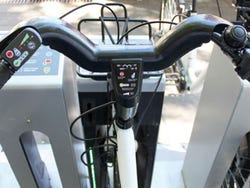
Madrid electric bikes
Here are some suggested cycling routes to explore in and around Madrid:
Retiro Park Loop:
- Start at the iconic Retiro Park, located in the city center.
- Enjoy a leisurely ride through the park’s tree-lined avenues, passing by landmarks like the Crystal Palace and the Monument to Alfonso XII.
- Take in the serene beauty of the park’s gardens, fountains, and the boating lake.
- Distance: Approximately 3.3 miles (5.3 km).
Madrid Río Riverside Trail:
- Begin your ride at Madrid Río Park, accessible from various points along the Manzanares River.
- Cycle along the scenic riverbank, passing through green spaces, playgrounds, and outdoor art installations.
- Visit the Matadero Madrid cultural center for exhibitions and events.
- Distance: The trail stretches for approximately 6 miles (10 km) along the river.
Casa de Campo Adventure:
- Start at the Teleférico (cable car) station near the Royal Palace.
- Cycle into the expansive Casa de Campo, Madrid’s largest park, known for its forests, trails, and a lake.
- Explore the park’s attractions, including the Zoo Aquarium and the Parque de Atracciones amusement park.
- Distance: You can customize your route within the vast park, with options ranging from a few miles to over 10 miles.
Madrid to Toledo:
- For a longer adventure, consider a day trip from Madrid to Toledo, a UNESCO World Heritage city.
- Start your journey in Madrid and follow the scenic route to Toledo, known for its historic architecture and rich culture.
- Explore the old town, visit the Alcázar, and enjoy traditional Spanish cuisine.
- Distance: The distance between Madrid and Toledo is approximately 46 miles (74 km), so this route is best suited for experienced cyclists.
Casa de Campo to El Pardo:
- Begin at the Casa de Campo Park and head north toward El Pardo, a picturesque forested area.
- Explore El Pardo’s lush woodlands and the Royal Palace of El Pardo.
- This route offers a tranquil escape from the city’s hustle and bustle.
- Distance: Approximately 6 miles (10 km) one way.
Madrid to Segovia:
- If you’re up for a challenging long-distance ride, embark on a journey from Madrid to Segovia, known for its stunning Roman aqueduct and historic old town.
- Follow scenic routes and enjoy picturesque landscapes along the way.
- Distance: The distance between Madrid and Segovia is approximately 56 miles (90 km), making it suitable for experienced cyclists or as a multi-day trip.
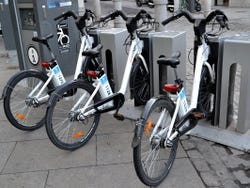
Electric bikes in Madrid



 TOP TRAVEL & FOOD MAGAZINE