
Puglia (Apulia), located in the southeastern “heel” of Italy, is a region where daily life has long been shaped by agriculture and the sea. Unlike the rolling hills of Tuscany or the dramatic vertical coastline of the Amalfi Coast, Puglia is defined by broad plains of red soil, centuries-old olive groves, and a striking simplicity in both landscape and cuisine. Whitewashed towns, dry-stone walls, and cone-shaped trulli houses punctuate the countryside, while two distinct coastlines: the Adriatic to the east and the Ionian to the west…influence both climate and local food traditions.

What Defines Apulian Cuisine?
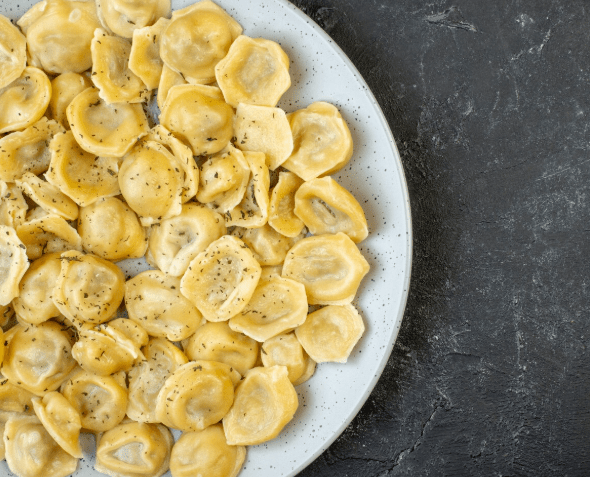
Apulian cuisine is ingredient-driven and rooted in seasonality and locality.
Extra Virgin Olive Oil
Puglia is Italy’s largest olive-oil-producing region, accounting for a significant share of the country’s production. Olive oil is used both for cooking and as a finishing ingredient.
Orecchiette
Orecchiette is the region’s signature pasta. It is made from durum wheat semolina and water, without eggs, and traditionally paired with vegetables or simple sauces.
Pane di Altamura (PDO)
Pane di Altamura is a protected designation of origin bread made from re-milled durum wheat, known for its dense crumb and long shelf life.
Dairy Traditions
Puglia is the birthplace of burrata, traditionally associated with the Andria area. Other regional dairy products include caciocavallo cheeses and ricotta forte, a fermented, strongly flavored dairy spread.
Day 1: Polignano a Mare – Adriatic Cliffs and Coastal Traditions
Morning: Historic Center
Begin in Polignano a Mare, a town built directly into limestone cliffs above the Adriatic Sea. Enter the Centro Storico through the Marchesale Arch (Via Porto, 70044 Polignano a Mare BA) and walk through narrow streets opening onto sea-view terraces.
Lunch: Grotta Palazzese
Grotta Palazzese is located at Via Narciso, 59, 70044 Polignano a Mare BA. The restaurant is set inside a natural sea cave overlooking the Adriatic and is widely known for its unique setting. Reservations are strongly recommended, particularly in high season.
Afternoon: Beach and Coffee
Lama Monachile beach is accessed from Via San Vito, 70044 Polignano a Mare BA. After time at the beach, stop at Il Super Mago del Gelo, Piazza Giuseppe Garibaldi, 22, 70044 Polignano a Mare BA, to try the local caffè speciale, prepared with espresso, sugar, lemon zest, cream, and liqueur.
Regional Wine Pairings
While overlooking the Adriatic, look for crisp, saline white wines that cut through seafood and fried appetizers.
- Wine: Verdeca
- Characteristics: A native white grape known for its citrus notes, high acidity, and mineral finish—perfect for enjoying with fresh crudo or octopus.

Day 2: Ostuni and the Valle d’Itria – White Towns and Rural Flavors
Morning: Ostuni
Ostuni is perched on a hill overlooking olive groves and farmland. Visit the Ostuni Cathedral at Piazza Basilica, 72017 Ostuni BR, a notable example of late Gothic architecture in the region.
Lunch: Traditional Apulian Cuisine
Two established options in Ostuni are:
- ABC – Apulian Bistrot, Via Tamborrino, 15, 72017 Ostuni BR
- Trattoria Fave e Fogghje, Viale Pola, 8, 72017 Ostuni BR
Look for traditional dishes such as fave e cicoria, a purée of dried fava beans served with wild chicory and olive oil.
Afternoon: Alberobello
Drive to Alberobello and walk through the Rione Monti district (Rione Monti, 70011 Alberobello BA), home to over a thousand trulli and designated as a UNESCO World Heritage Site.
Regional Wine Pairings
The central valley is famous for its “white towns” and its high-quality Rosato (Rosé) production, which is a point of regional pride.
- Wine: Salice Salentino Rosato (Negroamaro-based)
- Characteristics: Puglia produces some of Italy’s best rosés. These are structured, coral-pink wines with notes of pomegranate and Mediterranean herbs. They pair beautifully with fave e cicoria and tomato-based dishes.
Share it on Facebook and let your friends discover something new today!
Day 3: Salento – Baroque Cities and Two Seas
Morning: Lecce
Lecce is known for its Baroque architecture, including the Basilica di Santa Croce located at Via Umberto I, 1, 73100 Lecce LE.
Lunch: Tricase Porto
For seafood, visit Taverna del Porto, located on Lungomare Cristoforo Colombo, 73039 Tricase Porto LE. The restaurant focuses on traditional coastal dishes using fresh local catch.
Afternoon: Beaches and Natural Pools
Swim at Grotta della Poesia, located along Litoranea San Foca–Torre dell’Orso, 73020 Roca Vecchia LE, a natural limestone pool. Alternatively, visit the sandy beaches of Pescoluse, along Litoranea Ionica, 73050 Salve LE, on the Ionian coast.
Regional Wine Pairings
As you move into the deep south, the wines become bolder and more concentrated due to the intense sun.
- Wine: Primitivo di Manduria
- Characteristics: A rich, full-bodied red with flavors of dark cherries, plums, and a hint of spice. It is the quintessential Puglian red, ideal for the hearty meats found in the Salentine hinterland.
Day 4: Ceglie Messapica and Monopoli – Tradition and the Sea
Morning: Ceglie Messapica
Ceglie Messapica is long associated with traditional cooking in Puglia. Try Biscotto di Ceglie at Caffè Centrale, Corso Garibaldi, 2, 72013 Ceglie Messapica BR.
Lunch: Local Specialties
In and around Ceglie, look for traditional osterie serving bombette, small grilled meat rolls filled with cheese and herbs.
Evening: Monopoli
End the journey in Monopoli’s historic center. Walk along the harbor and dine near Piazza Palmieri, 70043 Monopoli BA. One established option is La Locanda dei Mercanti, located at Via Giuseppe Garibaldi, 44, 70043 Monopoli BA, known for regional seafood dishes.
Regional Wine Pairings
In the land of bombette and traditional osterie, you need a wine with enough tannin and acidity to balance grilled meats.
- Wine: Susumaniello
- Characteristics: An ancient, rediscovered grape variety mostly grown around Brindisi. It offers a deep ruby color with notes of red berries and black pepper. It is lighter and more versatile than Primitivo, making it a favorite for “meat-heavy” lunches.
Practical Tips for Traveling in Puglia
Best Time to Visit
May, June, and September offer warm weather with fewer crowds than August.
Wind and Sea Conditions
In Salento, northern winds generally favor calmer seas on the Ionian coast, while southern winds often make Adriatic beaches calmer.
Transportation
A rental car is strongly recommended, as many rural areas, beaches, and masserie are not accessible by public transport.
Driving Notes
Watch for ZTL zones in historic centers and use marked paid parking areas to avoid fines.

Essential Foods to Try in Puglia
- Burrata from the Andria area
- Orecchiette with vegetables or seafood
- Pane di Altamura
- Focaccia Barese
- Primitivo di Manduria
- Pasticciotto Leccese
Keep Updated With News & Trends
Get FREE new content delivered directly to your inbox.