
Rome’s food scene is far deeper than the famous carbonara, amatriciana, and cacio e pepe. Beneath the pasta plates lies a centuries-old world of humble recipes born from creativity, poverty, and pride… dishes that reflect Rome’s working-class neighborhoods, Jewish heritage, and ancient love for bold flavors.
Trippa alla Romana (Roman-Style Tripe)

What It Is
A true symbol of Roman home cooking, trippa alla romana is slow-cooked tripe (stomach lining) simmered in tomato sauce with onions, mint, and pecorino romano cheese. It’s one of the great dishes of the “quinto quarto” — the fifth quarter — a term used for Rome’s tradition of cooking with offal and leftover cuts.
Historically, it was eaten on Saturdays, and remains a weekend favorite in traditional trattorias.
Where to Try It
L’Osteria della Trippa
📍 Via Goffredo Mameli 15, 00153 Rome (Trastevere)
This Michelin-listed restaurant specializes in authentic Roman dishes, including trippa alla romana prepared according to local tradition.
Official site: www.losteriadellatrippa.it

Coda alla Vaccinara (Braised Oxtail Stew)
What It Is
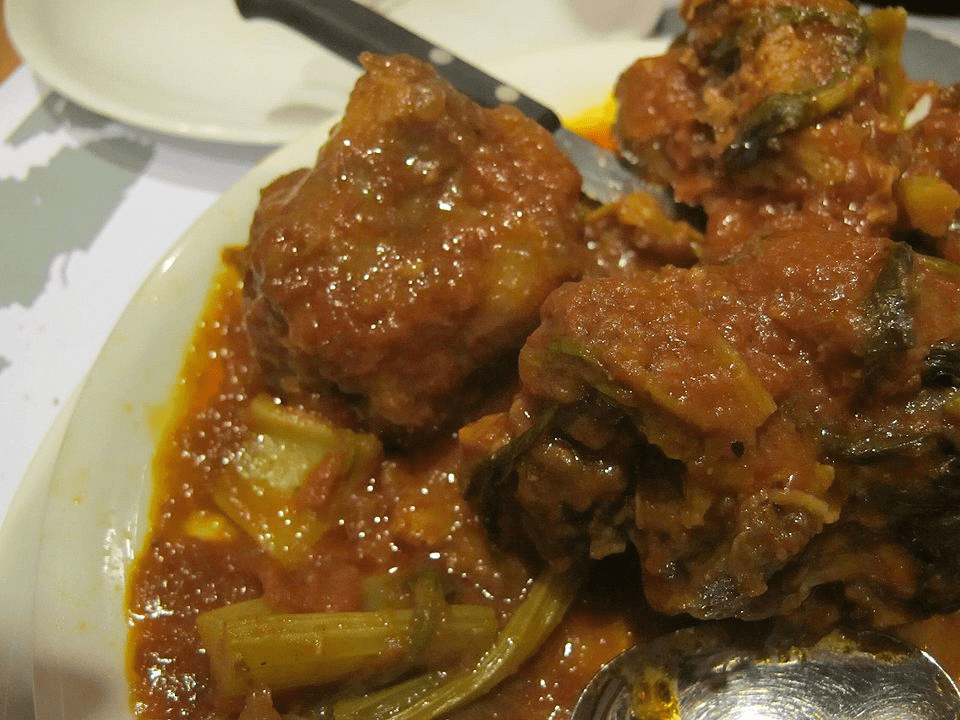
Another masterpiece of quinto quarto, coda alla vaccinara is oxtail slowly stewed with celery, tomato, red wine, and aromatic spices. It originated in the Regola district, where slaughterhouse workers (vaccinari) created deeply flavorful meals from inexpensive cuts.
The sauce, rich and slightly sweet thanks to raisins or pine nuts, is often reused to dress pasta like rigatoni al sugo di coda.
Where to Find It
Many traditional trattorias in Testaccio and Trastevere serve this dish… these neighborhoods were historically linked to Rome’s meat markets. Look for menus with a “piatti del giorno” section, especially on weekends.
Enjoyed this article? Share it on Facebook and let your friends discover something new today!
Supplì (Roman Fried Rice Balls)
What It Is
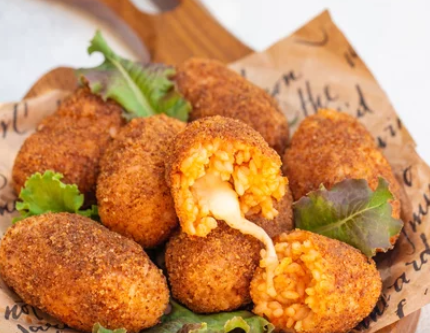
Supplì are fried rice croquettes filled with mozzarella, tomato sauce, and sometimes meat ragu. When broken open, the melted cheese stretches like a phone cord — hence the nickname “al telefono.”
They’re one of Rome’s oldest street foods and can be found in pizzerias and specialized snack shops (friggitorie).
Where to Try It
Supplizio
📍 Via dei Banchi Vecchi, 143 – 00186 Rome
A beloved street food shop dedicated entirely to supplì, offering classic and creative versions such as cacio e pepe supplì. Run by renowned Roman chef Arcangelo Dandini.
Official site: www.supplizioroma.it

Pizza Dolce di Beridde (Jewish-Roman Sweet Bread)
What It Is
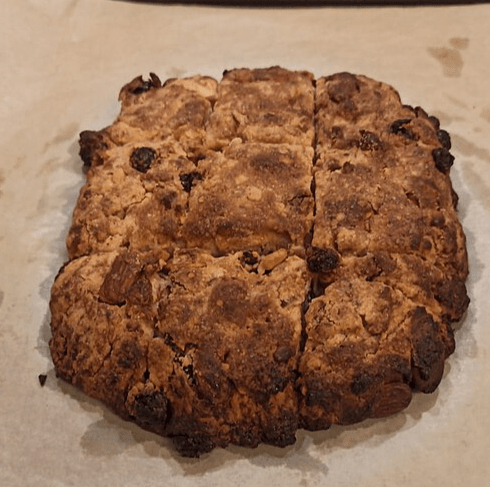
Also known as pizza ebraica, this dense, unleavened sweet bread is part of the Jewish-Roman culinary heritage. It’s made with almonds, raisins, pine nuts, candied fruits, and olive oil or white wine.
The dessert originated in the Roman Ghetto and is still baked for festive occasions like the Brit milah (Jewish circumcision ceremony).
Where to Try It
Pasticceria Boccione – “Il Forno del Ghetto”
📍 Via del Portico d’Ottavia, 1, Rome
This historic kosher bakery has been in continuous operation for over a century and remains the best-known spot in Rome to taste authentic pizza ebraica and other Jewish-Roman pastries.
Expect a small, busy bakery with no sign outside … just a line of locals waiting for fresh cakes and cookies.

Stracciatella alla Romana (Roman Egg Drop Soup)
What It Is
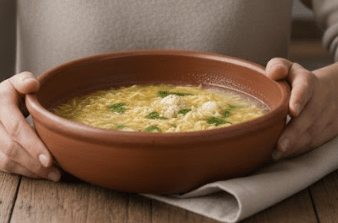
This simple, comforting soup combines beaten eggs, Parmesan cheese, semolina, and nutmeg gently poured into hot meat broth, creating thin ribbons of cooked egg (“stracci”).
Traditionally served during Easter and winter months, it reflects Rome’s ability to turn humble ingredients into heartwarming food.
Where to try it: Look for it as a starter (primo piatto) at old-fashioned trattorias around Prati, Monti, or Testaccio … often listed as stracciatella in brodo.
Tips for Exploring Rome’s Hidden Dishes
- Visit early or at lunch: Traditional dishes often sell out by mid-afternoon.
- Seek “Cucina Romana” signs: They indicate local, old-school kitchens rather than tourist spots.
- Head to Testaccio or Trastevere: Both districts remain culinary strongholds for authentic Roman flavors.
- Don’t be afraid of offal: Quinto quarto dishes like trippa and coda are slow-cooked, rich, and deeply traditional.
- In the Jewish Ghetto, always check Pasticceria Boccione — it’s small but legendary.

Rome’s most authentic flavors aren’t found on the glossy tourist menus of Piazza Navona … they live in small trattorias, frying corners, and bakeries run by families for generations. Daring to go beyond pasta means tasting the city’s soul: humble, inventive, and tied to centuries of tradition. From the bold flavors of trippa alla romana to the sweet simplicity of pizza ebraica, each dish tells the real story of Roman life… one plate at a time.
Updated with News & Trends
Get FREE new content delivered directly to your inbox.



 TOP TRAVEL & FOOD MAGAZINE