
Rome, the Eternal City, is a dream destination for travelers seeking a blend of ancient history, vibrant culture, and exceptional food. If you’re visiting Rome during Ferragosto, you’re in for a special experience. But what is Ferragosto exactly, and how can you take full advantage of the city during this holiday? We’ll explore the meaning of Ferragosto, along with specific recommendations on what to do in Rome to make the most of your time during this unique celebration.
What is Ferragosto?
Ferragosto, celebrated on August 15th, is one of Italy’s most significant national holidays. The name comes from the Latin Feriae Augusti, which translates to “Augustus’ Holiday,” named after Emperor Augustus, who in 18 BC introduced this festival to celebrate the harvest and give people a break from the hard work of the summer months. Over time, Ferragosto evolved into a family-oriented vacation period where Italians relax, travel, and celebrate.
In modern Italy, Ferragosto marks the peak of summer, and many Italians take this time off to travel or spend time with loved ones. While some locals head to the countryside or coastal regions for a break, others stay in the city to celebrate with traditional festivals, outdoor events, and delicious summer meals. For tourists, Ferragosto is an opportunity to explore Rome with fewer crowds, enjoy cultural events, and experience the Italian summer in all its glory.
What to Do in Rome During Ferragosto
Explore Iconic Landmarks with Fewer Crowds
Ferragosto in Rome is a great time to visit the city’s top attractions. Although many Romans may head out for their vacations, the main landmarks in the city remain open, giving tourists a chance to experience these historic sites without the usual crowds.
The Colosseum: One of the most iconic landmarks in the world, the Colosseum is relatively quieter during Ferragosto, allowing you to fully appreciate its grandeur. Arriving early in the morning or later in the afternoon is the best way to avoid long lines. Opt for a guided tour for a deeper understanding of the arena’s history.
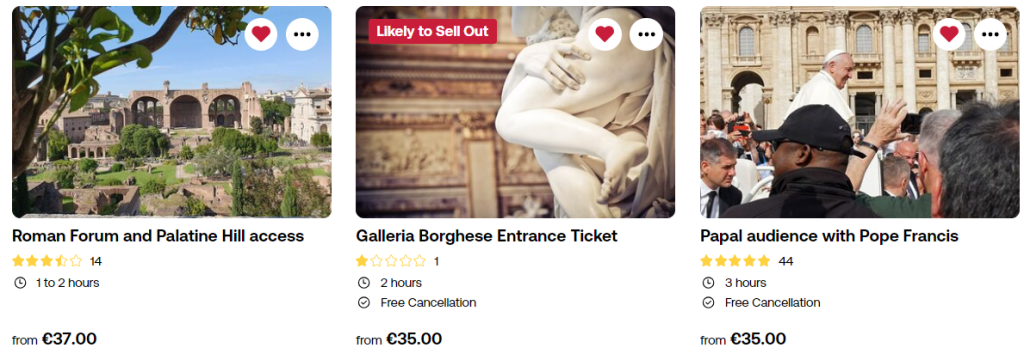
Roman Forum & Palatine Hill: Just a short walk from the Colosseum, the Roman Forum and Palatine Hill are the heart of ancient Rome. These ruins give visitors a glimpse into the political, religious, and social life of ancient Romans. With fewer tourists, you’ll have the space and tranquility to truly absorb the historical significance of this area.
The Pantheon: This ancient Roman temple, now a church, is one of the best-preserved monuments from antiquity. Ferragosto offers a quieter time to explore the Pantheon’s incredible dome and architecture. Be sure to stop by early in the morning to avoid any rush.
Trevi Fountain: Although one of Rome’s most visited spots, the Trevi Fountain can be surprisingly peaceful during Ferragosto. Take a moment to admire the intricate sculptures and toss a coin to ensure your return to Rome one day!
Stroll Through Beautiful Gardens and Parks The summer heat can be intense in Rome, but Ferragosto offers the perfect opportunity to relax in some of the city’s most beautiful gardens and parks. Many of these green spaces are filled with shade, beautiful flowers, and peaceful paths that allow you to escape the hustle and bustle.
Villa Borghese Gardens: This expansive park is one of Rome’s largest and most famous green spaces. It’s ideal for a relaxing stroll or bike ride. You can rent a boat at the Borghese Lake, enjoy a picnic under the trees, or visit the Galleria Borghese, which houses an impressive collection of Baroque art, including works by Caravaggio and Bernini.
Giardino degli Aranci (Orange Garden): Situated on the Aventine Hill, this peaceful garden offers stunning views of the city, especially the Basilica of St. Peter in the Vatican. The fragrance of the orange trees, combined with the panoramic vistas, makes it a perfect spot to unwind.
Villa Doria Pamphili: Another hidden gem in Rome, this villa and its park are less frequented by tourists, providing a serene atmosphere for relaxation. Its beautifully landscaped gardens and quiet lakes are perfect for a leisurely afternoon.
Attend Ferragosto Mass at the Vatican
Ferragosto has deep religious significance for many Italians, and in Rome, the Vatican is the epicenter of these celebrations. On this day, a special mass is held in St. Peter’s Basilica, presided over by the Pope. This mass is a major event for both locals and tourists, and attending it can offer a profound cultural experience, even for non-religious visitors.
If you plan to attend, be sure to arrive early as this is one of the busiest masses of the year. The Papal Blessing at the end of the mass is a unique moment, where thousands of people gather in St. Peter’s Square, listening to the Pope’s words of peace.
Experience Local Festivals and Events
While Ferragosto sees many Romans leave the city, it’s also when various local festivals and cultural events fill Rome with energy. These festivals celebrate everything from food to music to traditional Italian pastimes.
Sagra della Bruschetta: Held in the summer, this festival celebrates Italy’s beloved bruschetta—grilled bread topped with a variety of delicious ingredients like tomatoes, basil, and garlic. You can sample various versions of this dish at street food stalls across the city, especially in areas like Trastevere.
Rome’s Open-Air Cinema Festival: During Ferragosto, outdoor movie screenings become a popular way to unwind in the warm evenings. The Cinecittà Studios and Piazza San Cosimato host open-air movie nights, screening classic films and modern hits against the backdrop of Rome’s beautiful evenings.
Festa di Ferragosto at the Tiber Island: The Tiber Island, one of Rome’s most picturesque locations, hosts celebrations during Ferragosto. Expect music, local food stalls, and a lively, festive atmosphere on the island—an authentic experience of Roman summer life.
Explore the Ancient Appian Way (Via Appia Antica)
If you want to escape the heat of the city and explore the countryside, the Appian Way is an ideal spot. This ancient Roman road, lined with ruins, tombs, and catacombs, offers a glimpse into Rome’s past. Rent a bike or walk along the road to visit sites like the Catacombs of San Callisto or the Villa dei Quintili. Ferragosto is an excellent time to visit the Appian Way, as it’s quieter than the city, and you can enjoy the scenery without the usual tourist rush. The surrounding greenery, combined with the historical ruins, creates a peaceful and reflective experience.
Indulge in Italian Summer Cuisine
Food is an essential part of the Ferragosto celebrations. Romans indulge in delicious seasonal dishes that take advantage of the summer harvest. Ferragosto meals are often enjoyed outdoors, with long lunches and family gatherings.
Cacio e Pepe: One of Rome’s most iconic pasta dishes, it’s simple yet incredibly flavorful, made with Pecorino Romano cheese and black pepper. It’s a must-try for anyone visiting the city.
Gelato: You can’t visit Rome in the summer without enjoying authentic Italian gelato. Ferragosto is a great time to explore local gelaterias. Opt for classic flavors like pistachio or stracciatella, or go for something more experimental.
Granita: This semi-frozen dessert made from crushed ice and flavored syrups is a summer favorite. You can find it at many Roman cafes, and it’s perfect for cooling off during the hot August days.
Take a Day Trip to Nearby Destinations
Ferragosto is a popular time for Romans to head out of the city, so it’s the perfect opportunity to explore areas around Rome.
Castelli Romani: Just a short drive from Rome, this area is home to quaint hilltop towns such as Frascati, Albano Laziale, and Ariccia. Known for their beautiful lakes, vineyards, and traditional cuisine, these towns offer a peaceful escape from the city.

Ostia Antica: For a more tranquil and historically rich experience, visit the ancient port city of Ostia Antica, located just 30 minutes from Rome. This well-preserved archaeological site offers a fascinating glimpse into ancient Roman life, with ruins of houses, baths, and temples.
Updated with News & Trends
Get FREE new content delivered directly to your inbox.